Skip to content


Water is the most common contaminant in stored diesel fuel and one of the most harmful. A seemingly normal tank can accumulate water at the bottom without anyone noticing, until filters start clogging repeatedly, the engine begins to misfire, or the fuel injection system fails. This problem is particularly common in agricultural and construction machinery, fleets, and generator sets that refuel from fixed tanks or tanker trucks.
Filtros Castelló has been supplying filtration systems for diesel machinery and equipment since 1974. In this article, we explain where the water comes from, what the consequences are, how to detect it, and what measures—including filtration—effectively reduce the risk.

Why is there water in the diesel tank?
Water can get into the diesel fuel in several ways, and it’s important to identify which one applies to you so you can address the cause—not just the symptom:
- Condensation. Temperature changes between day and night cause water vapor in the air inside the tank to condense on the walls and fall into the fuel. The emptier the tank, the more air there is, and the more condensation occurs.
- Contaminated fuelsupply. Fuel delivered with water, or refueling from poorly maintained tankers and drums.
- Infiltration through the tank. Defective caps or vents, deteriorated gaskets, unsealed filler caps, or tanks exposed to the elements where rainwater can enter.
- Prolonged storage. Diesel left unused for months, such as in seasonal equipment, emergency generators, or fleets with low turnover.
- Biofuels. Diesel fuels containing biodiesel absorb more moisture than pure diesel.
Once inside, water is denser than diesel fuel, so it settles at the bottom of the tank. It is not visible there, and when the intake passes through that area, it enters the fuel system.
What damage does water cause to the engine and the fuel system?
| Consequence | What happens |
|---|---|
| Corrosion | Water causes the fuel tank, fuel lines, and fuel injection system components to rust, and the resulting rust clogs the filters. |
| Loss of lubrication | Diesel fuel lubricates the pump and injectors. When water is present, this lubricating film breaks down, increasing wear on parts that operate with minimal tolerances. |
| Microbial Growth | In the area where water and diesel fuel come into contact, bacteria and fungi proliferate, forming sludge that clogs filters and lines. |
| Irregular combustion | Water entering the injector causes misfires, rough idling, smoke, and a loss of power. |
| Injection system failures | In common-rail systems, which operate at very high pressures, water can damage pumps and injectors, resulting in very costly repairs. |
| Repeated clogs | Filters become clogged prematurely, requiring frequent replacements without addressing the root cause. |

How to detect water in diesel fuel
There are signs in the engine and ways to check the fuel:
- Engine symptoms: difficulty starting, rough idling, loss of power, white or irregular smoke, and filters that clog frequently.
- Water indicator on the filter: Many filter assemblies include a sensor or a transparent reservoir with a water indicator.
- Draining the sediment bowl: If water comes out when draining, the tank is contaminated.
- Sample from the bottom of the tank: By drawing fuel from the lowest point into a transparent container, you can see the water that has settled at the bottom. There are also reactive pastes that change color upon contact with water.
- Cloudy or opaque diesel fuelis a sign of an emulsion.
What to do if there is already water in the tank
- Stop using contaminated fuel in the machine to avoid damaging the fuel injection system.
- Drain the separator and the lowest point of the tank to remove any free water.
- Check and replace the filters in the fuel system: prefilter, main filter, and fuel tank filter, if present.
- Pump or siphon the water from the bottom and determine whether the fuel is salvageable or must be treated as waste.
- Identify the source: condensation, ingress through a cap or vent, or contaminated fuel supply.
- If sludge or microbial growth is present, schedule a thorough tank cleaning.
When there is a large amount of water or an emulsion, the safest course of action is to drain the tank and clean it thoroughly. Additives can help in mild cases, but they are no substitute for removing free water.
Tank cleaning: when it’s necessary
A thorough cleaning is necessary when there is sludge at the bottom, microbial growth, rust, or repeated contamination. The process involves emptying the tank, removing debris, cleaning the walls, and inspecting the interior before refilling it. For large or underground tanks, it is customary to hire a specialized company.
If the tank is clean but the filter frequently becomes clogged, the cause is usually the supply or the type of use, not the tank itself.
How to prevent water from entering stored diesel fuel
- Keep the tank as full as possible during periods of inactivity to reduce the amount of air and, consequently, condensation.
- Check caps, vents, and gaskets, and protect the fill port from rain.
- Regularly drain the bottom of the tank and the decanter—weekly for equipment operating outdoors.
- Buy fuel from reliable suppliers and avoid refueling from dirty or poorly sealed containers.
- Filter the fuel when transferring it: a filter with a water-absorbing element at the dispensing point prevents water from entering the machine’s fuel tank.
- Use antibacterial additives if diesel fuel is stored for a long time.
- Inspect the fuel tank periodically, even if there are no visible signs of problems.
The role of filtration: prefilter, decanter, and separator filter
Filtration does not eliminate the source of the water, but it is the last line of defense before it reaches the injection system. In a properly installed system, several stages are involved:
- The prefilter traps large particles and some of the dirt.
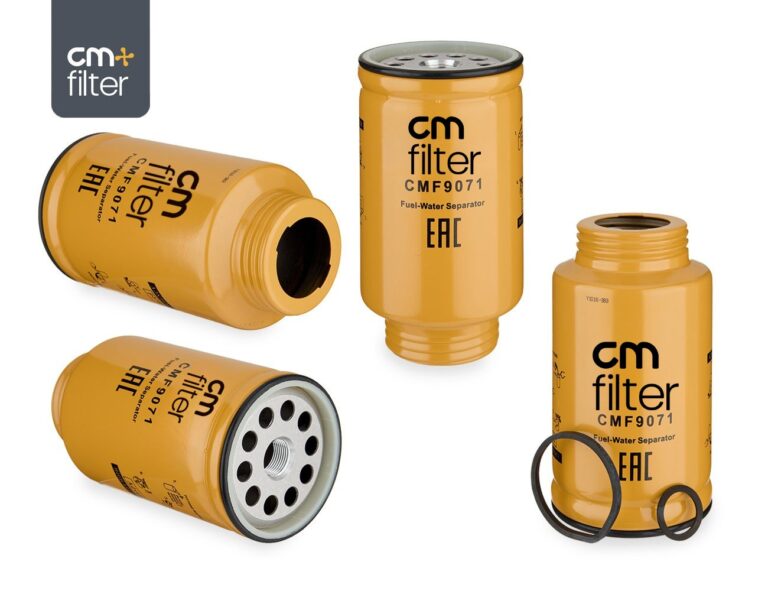
- The decanter or water separator uses the difference in density to collect water in a vessel that is then drained.
- The main filter traps the remaining fine particles; many models also include a water-separating medium.
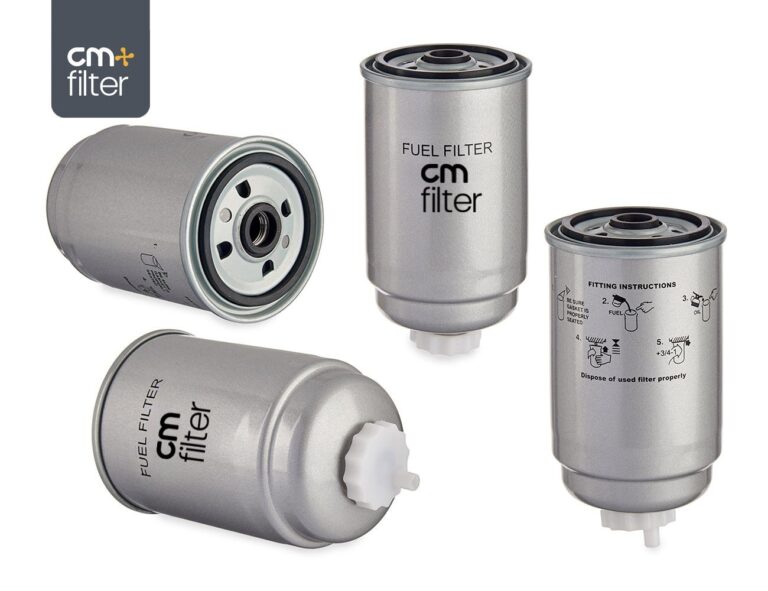
If you want to know how they work together, we explain it in our article on the complete diesel fuel filtration system, and you can find the replacement guidelines in the section on how often to replace the fuel filter. Filtros Castelló approaches fuel filtration as a system; you can check out our fuel filtration solution and the compatible alternatives from CM Filter.

Frequently asked questions about water in diesel fuel
Are you experiencing problems with water or contamination in the diesel fuel for your machinery or fleet? Contact our team, and we’ll help you choose the right filtration system.