 Skip to content


Hydraulics
Filtration that protects pumps, valves, and actuators
PERSONALIZED CARE
Hydraulic Filtration for High-Pressure Systems
The hydraulic system of any piece of equipment—whether industrial, agricultural, construction, or logistics-related—uses high-pressure fluids to generate motion and power. The presence of contaminants in the fluid can cause internal damage, loss of efficiency, or even catastrophic failures.
Proper hydraulic filtration is the essential barrier that keeps the fluid clean and the system operating at peak performance, ensuring performance, durability, and reduced maintenance.
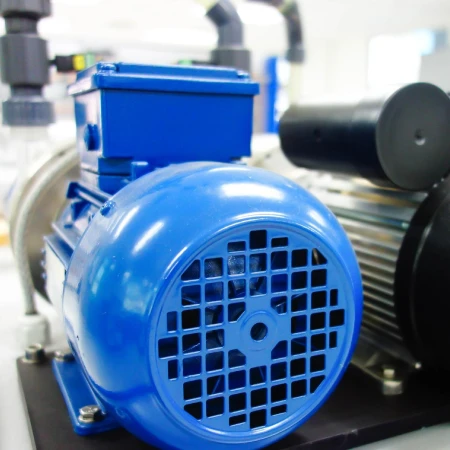
Why is proper hydraulic filtration so important?
Hydraulic pumps operate under high-pressure conditions and require clean fluid to maintain their efficiency.
Clean hydraulic oil allows the system to operate more smoothly. A good hydraulic filter prevents the buildup of particles that can affect flow, damage internal surfaces, or accelerate wear on parts.
When the fluid is maintained under optimal conditions, the system performs better, operates with greater precision, and reduces the risk of power loss or operational irregularities.
Contaminants in the oil can cause progressive problems that ultimately lead to costly repairs.
Filtration protects not only a specific component, but the entire system. Keeping oil contamination under control helps extend the service life of the machinery.
WHAT INDUSTRIES DO WE WORK IN?
Find the right filter for each piece of equipment
Browse our solutions by system, machinery, or application. Easily find the filter you need from our selection of more than 20,000 active part numbers.
- Engine, Hydraulics, and Transmission
- By sector or application
- Original and Alternative Filters
- Engine, Hydraulics, and Transmission
- By sector or application
- Original and Alternative Filters
KEY COMPONENTS
Hydraulic filter for industrial machinery and equipment
In industrial machinery and applications, the hydraulic filter plays a critical role in protecting the circuit and maintaining the oil in optimal condition. Unlike other, less demanding environments, these systems typically operate for long periods under pressure and in conditions where dust, moisture, or internal wear and tear can affect the fluid.
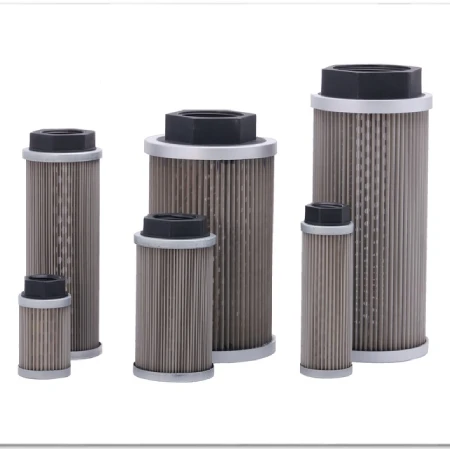
Suction Filters
They trap large contaminants before the fluid reaches the pump, protecting gears and pistons.
- Metal Mesh Filters
- Basket Filters
- Pump pre-filters
Pressure filters (post-pump)
Installed downstream of the pump, they remove fine particles that could damage precision valves and actuators.
- Cartridge Filters
- High-pressure filters
- Control Valve Systems
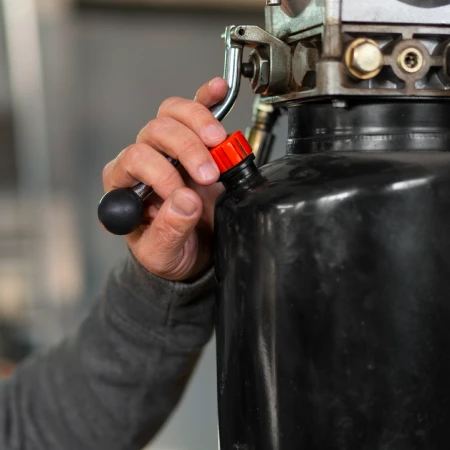
Return Filters
They capture contaminants generated during the cycle before the fluid returns to the reservoir, keeping the system clean.
- Return Line Filters
- Standard Cartridge Filters
- Industrial Return Systems
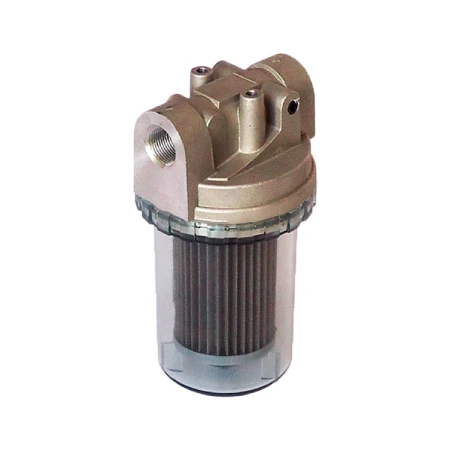
Breather filters
They prevent air, dust, or moisture from entering the hydraulic system from the outside, protecting it from environmental contamination.
- Tank Aeration Filters
- Filters with desiccant
- Outdoor dust filters
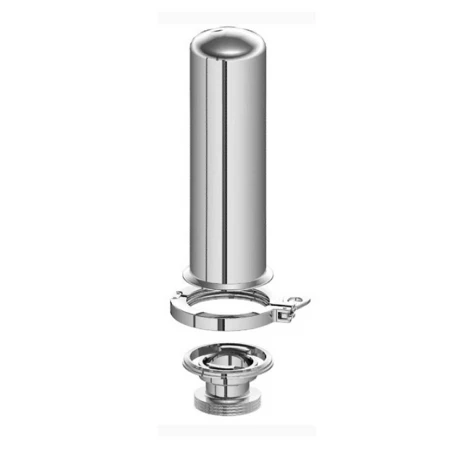
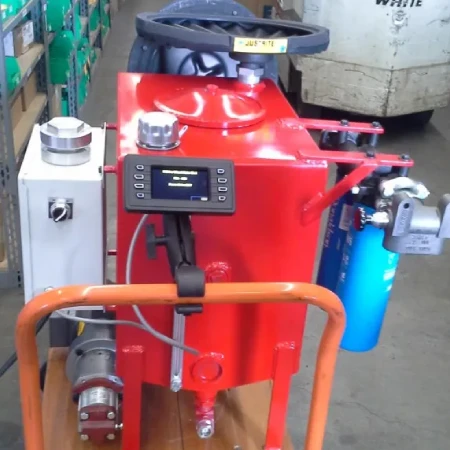
Offline Filtration (Kidney Loop)
A separate circuit that keeps the oil clean even when the main system is turned off.
- Portable Filtration Systems
- Continuous Filtration Systems
- High-Purity Solutions for Oils
HYDRAULIC FILTERS
Hydraulic filters to maintain performance and durability
Fluid quality directly affects the performance of any hydraulic system. Therefore, choosing hydraulic filters that are suitable for each piece of equipment is essential for controlling contamination, maintaining circuit efficiency, and preventing malfunctions caused by the buildup of suspended particles.
At Filtros Castelló, we develop hydraulic filter solutions for a variety of operational needs, pressures, and operating environments, with the goal of providing reliable and long-lasting filtration. When the system is equipped with the right filter element, oil protection is improved, continuous operation is ensured, and costs associated with wear, premature replacements, and loss of performance are reduced.


FUEL FILTERS
Why is a good hydraulic filter essential for industrial machinery and systems?
A hydraulic filter is an essential component for maintaining the reliability of any circuit that operates with pressurized oil. Its function is to trap particles, debris, and contaminants that can affect system performance, cause premature wear, and reduce the service life of pumps, valves, and actuators.
In industrial, agricultural, logistics, and construction applications, using the right hydraulic filters helps keep the fluid clean, improve equipment stability, and reduce mechanical failures. The right hydraulic filtration solution not only protects internal components but also helps minimize downtime, improve operational performance, and optimize machinery maintenance.
WHAT INDUSTRIES DO WE WORK IN?
Filtration tailored to each industry
Experienced professionals who are committed to and passionate about technical service, providing personalized attention and product knowledge with every order.
Public Works
Heavy machinery in construction settings.
Mines and Quarries
Rugged equipment in extreme conditions.
Agriculture
Tractors and machinery for agricultural work.
Forestry
Forestry equipment in areas with dense vegetation.
Green spaces and roads
Urban and light road maintenance.
Marina
Filtration for engines in saline environments.
Lifting and Handling
Loading and aerial work equipment.
Road Vehicles
Fleets, trucks, and commercial transportation.
Airport facilities
Service vehicles during runway operations.
Ski Areas
Specialized snow and mountain equipment.
FREQUENTLY ASKED QUESTIONS
We'll answer your questions
What is a hydraulic filter, and what is its function?
The hydraulic filter is the component responsible for trapping contaminants in the fluid to protect pumps, valves, actuators, and other components in the circuit. Its main function is to keep the oil clean and ensure the system operates properly.
Why is it important to keep hydraulic oil clean?
Because oil is the medium that transmits energy within the circuit. If it is contaminated, it can cause wear, blockages, loss of precision, and malfunctions in sensitive components.
What happens if the hydraulic system uses contaminated oil?
The system may experience reduced performance, increased internal wear, valve or pump failures, and higher maintenance costs. In industrial machinery, this can result in unplanned downtime and reduced productivity.
How do you choose the right hydraulic filter?
The choice depends on the type of equipment, the point in the circuit where it is installed, the required filtration level, the flow rate, and the operating conditions. That is why it is important to select a solution tailored to each application.
What kind of maintenance does a hydraulic filtration system require?
Most require air, oil, fuel, hydraulic, and cabin filters. Some equipment also uses transmission, coolant, or urea (AdBlue) filters.
When should a hydraulic filter be replaced?
The replacement interval depends on the equipment manufacturer and operating conditions, but as a general rule, it is recommended to replace the filter every 1,000–2,000 operating hours or when the clogging indicator shows saturation. Replacing the filter in a timely manner prevents damage to pumps, valves, and actuators.
Submit your inquiry
Are you looking for a customized solution?
Request a no-obligation quote
