Skip to content


In any piece of industrial machinery or system, filtration plays a key role in protecting components, maintaining performance, and reducing the risk of breakdowns.
Although attention is often focused on other aspects of maintenance, the truth is that choosing the right filter can make a significant difference in the service life of the engine, the hydraulic system, the fuel system, or the air and vacuum systems
When we talk about filters for industrial machinery, we are not referring to a single solution, but rather to different types of filters designed to operate in specific systems and under a wide variety of conditions. Each application requires a specific level of filtration, a certain level of durability, and technical compatibility tailored to the equipment.
That is why understanding the different types of filters available and the purpose of each one is essential for making the right choice and ensuring reliable performance in sectors such as public works, mining and quarrying, agriculture, forestry, marine, lifting and material handling, road vehicles, and airport equipment.
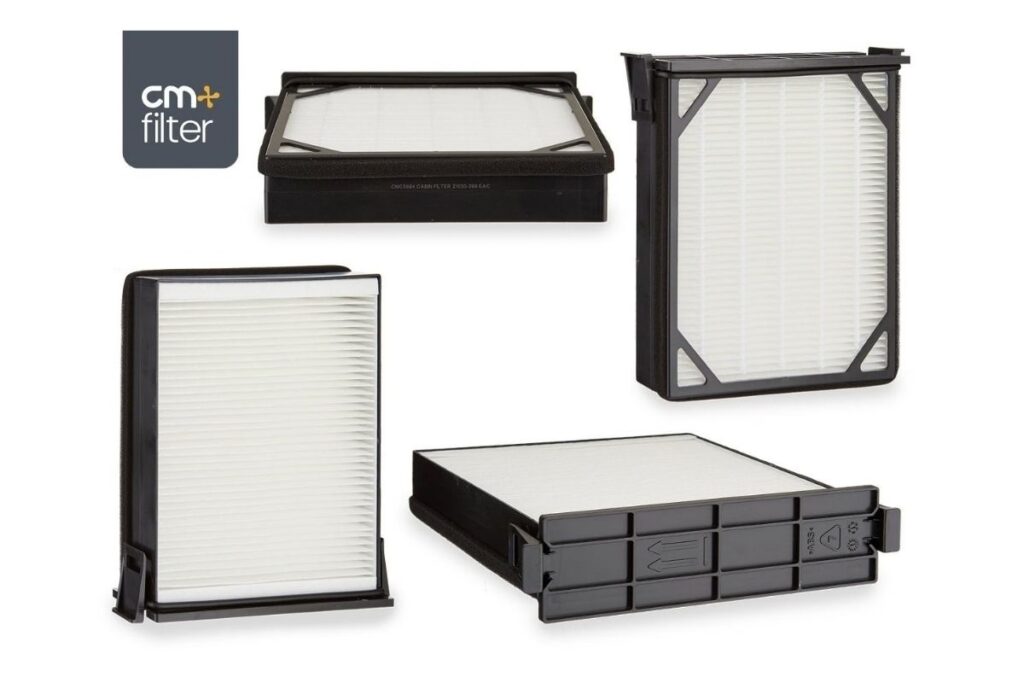
Table of contents
What Are Filters for Industrial Machinery, and Why Are They So Important?
Filters for industrial machinery are components designed to trap particles, dirt, contaminants, moisture, or debris that may circulate through various systems within the equipment. Their purpose is to prevent these impurities from reaching sensitive areas and causing premature wear, loss of efficiency, or mechanical failures.
In industrial machinery, the demands are often particularly high. The equipment operates for many hours in harsh environments and, in many cases, is exposed to dust, vibrations, temperature fluctuations, or heavy loads. Under these conditions, proper filtration is not a minor detail, but an essential part of maintenance.
A filter in good condition helps protect critical components, stabilizes system operation, and helps reduce unplanned downtime. Conversely, poor filtration or an incorrect choice of filter can directly affect equipment performance and increase maintenance costs.
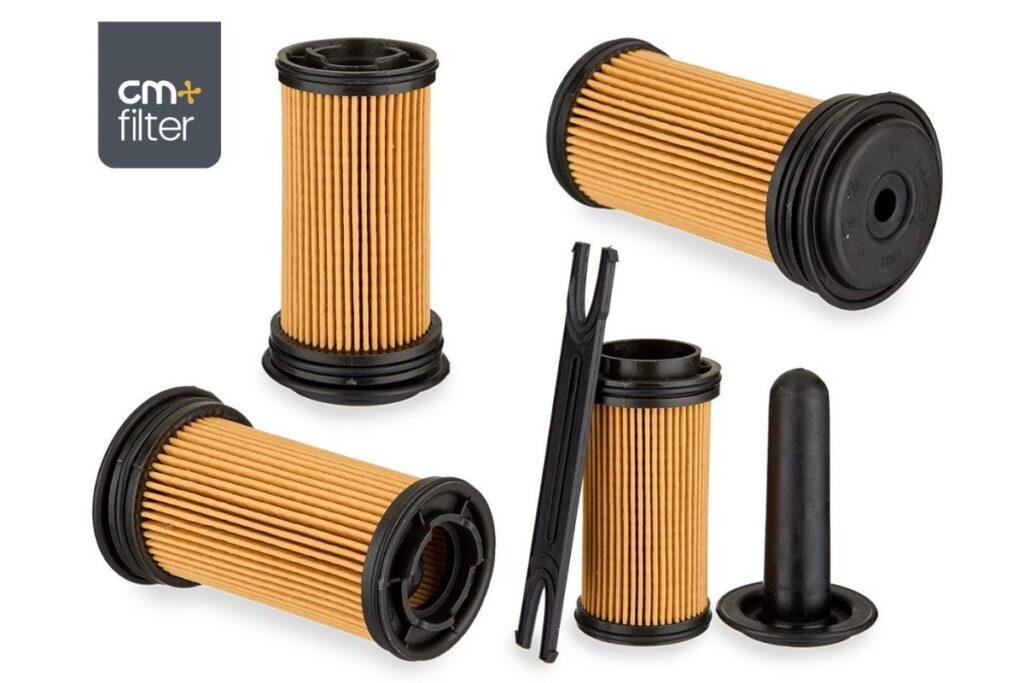
What types of filters are available for industrial machinery?
There are different types of industrial filters depending on the system they are designed to protect. In the field of industrial machinery, the most common types are air, oil, fuel, hydraulic, transmission, cabin, and brake filters, as well as those related to compressed air and vacuum systems.
Each one serves a specific purpose and must be selected based on the type of equipment, its intended use, and the operating conditions. Not all filters meet the same needs or offer the same level of protection, so it is important to fully understand the role each one plays within the machinery.
Air Filters for Industrial Machinery
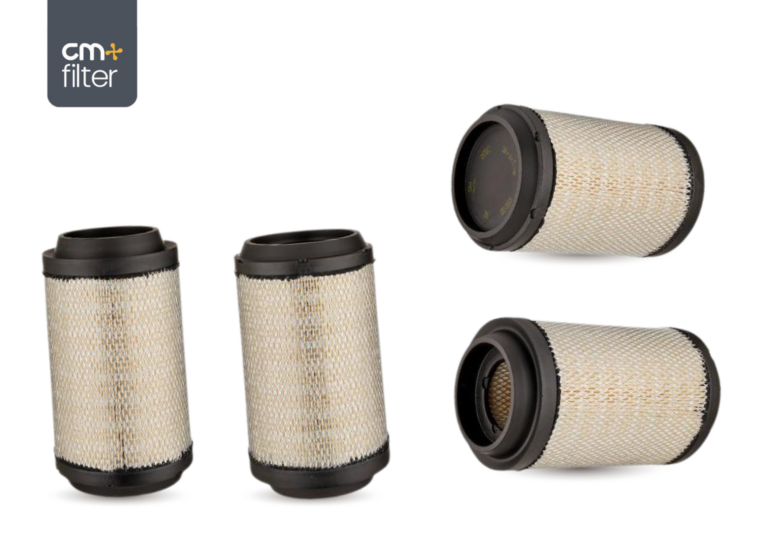
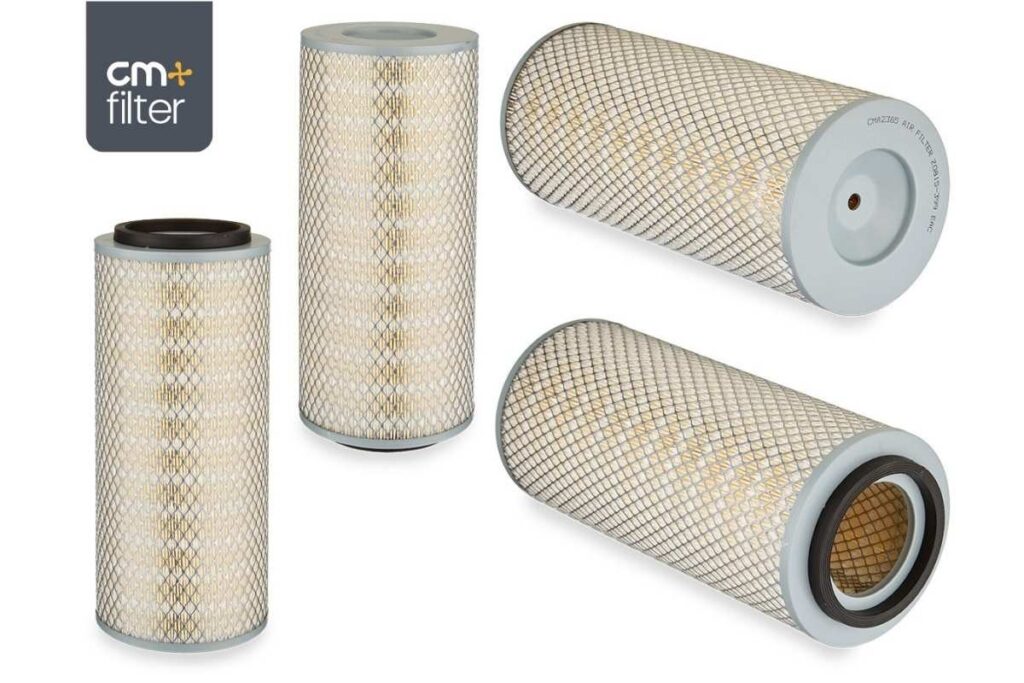
Air filters are designed to prevent dust, airborne particles, and other environmental contaminants from entering the intake system. They are especially important in machinery used on construction sites, in quarries, in agricultural settings, in forested areas, or in environments with high levels of environmental dirt.
When the air entering the engine is not properly filtered, internal wear can accelerate and the equipment’s performance can be compromised. A proper air filter helps ensure cleaner combustion, protects internal components, and promotes more stable operation.
In industrial machinery, this type of filtration must be adapted to both the required airflow and the level of contamination present in the work environment.
Oil filters
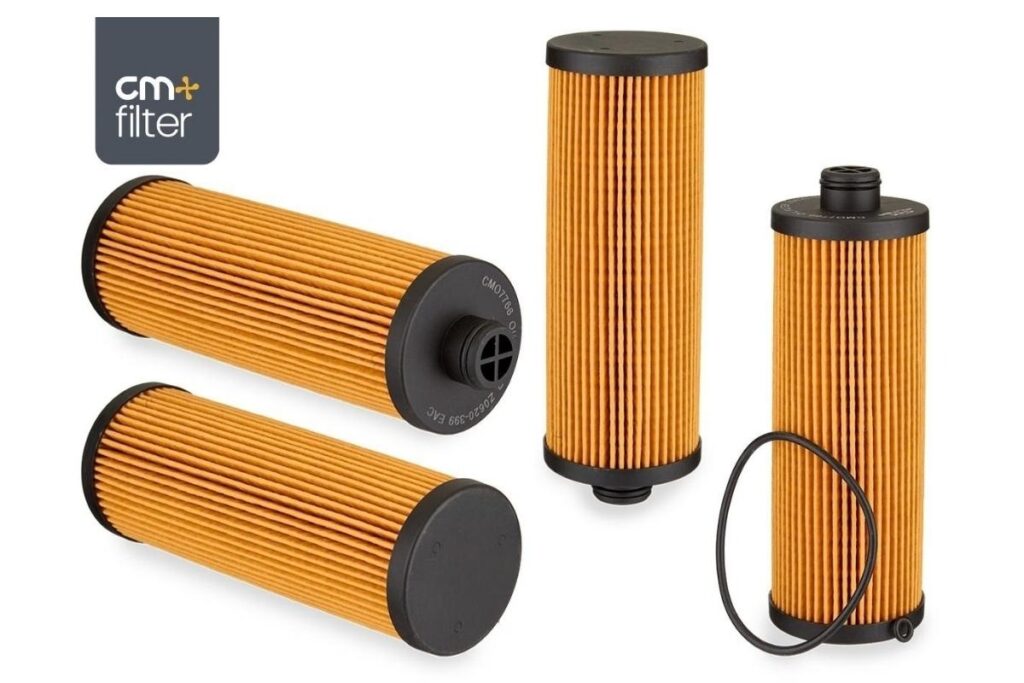
Oil filters are designed to trap metal particles, debris, and dirt present in the lubricant. Their purpose is to protect the engine and ensure that lubrication remains adequate while the equipment is in operation.
In industrial applications, where motors may operate intensively for long periods, the condition of the oil and its filtration system are critical. If contaminated lubricant circulates, wear on internal parts increases, and the risk of failure rises.
For this reason, the oil filter is not only part of routine maintenance but is also essential to maintaining the system’s reliability.
Fuel filters
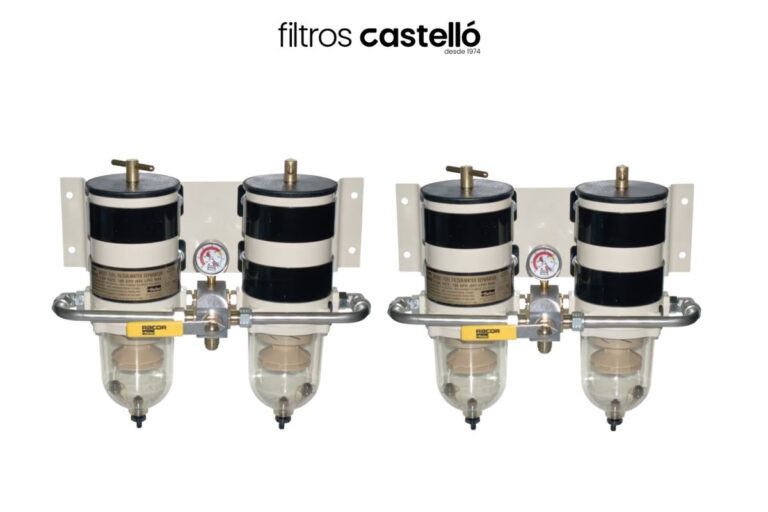
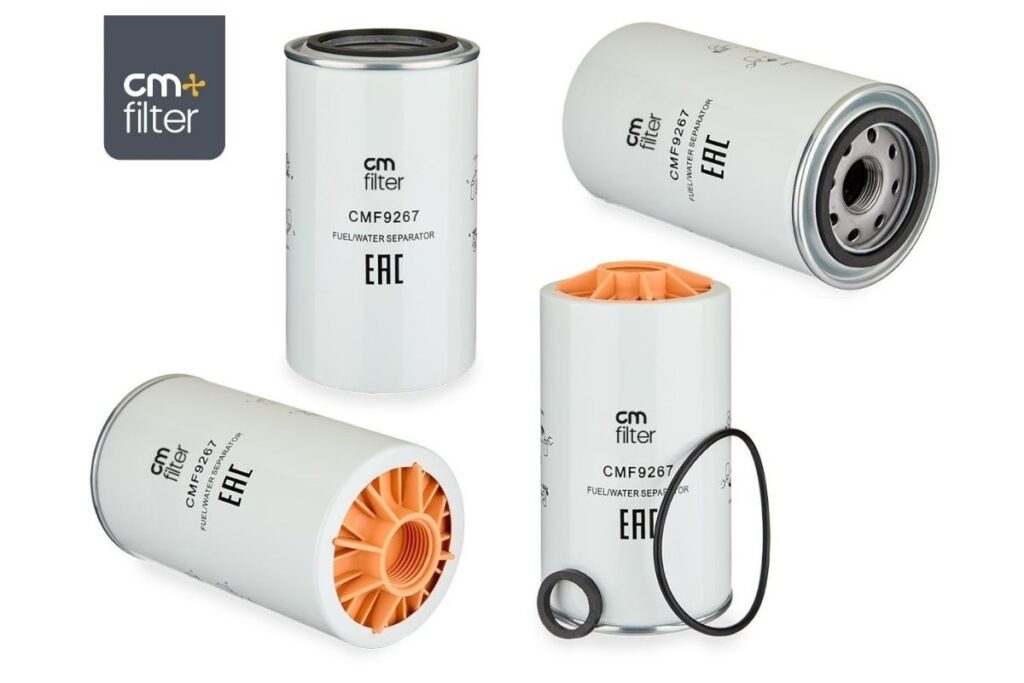
Fuel filters are designed to prevent impurities, debris, or moisture from entering the fuel system. Their purpose is to protect sensitive components such as the fuel pump and fuel injectors and to help ensure a cleaner, more stable fuel supply.
In industrial machinery, this protection is especially important, since the equipment is often subjected to high demands, and any disruption in the fuel supply can result in a loss of performance, starting failures, or operational problems.
Choosing the right fuel filter helps reduce risks in the system and keep the machinery in better working condition.
Hydraulic filters
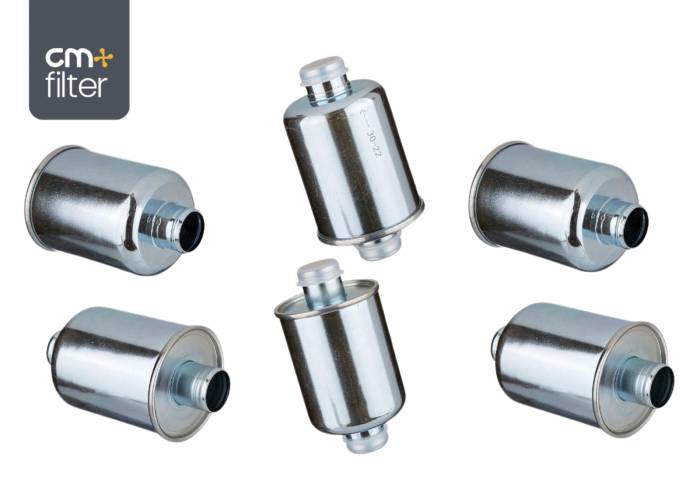
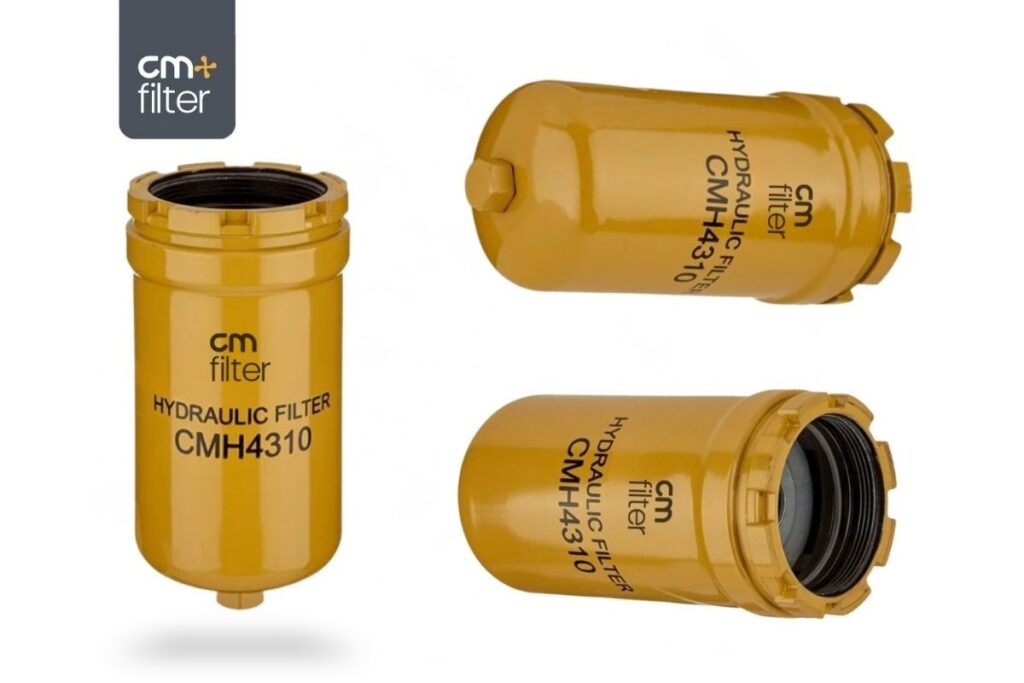
Hydraulic filters are one of the most important components in many industrial machines. They are responsible for keeping the hydraulic fluid clean and preventing contaminants from affecting the circuit, valves, pumps, or other system components.
In public works, lifting, material handling, agricultural, and mining equipment, hydraulic systems are subjected to heavy workloads. If the fluid is not maintained in optimal condition, system performance can deteriorate rapidly.
Effective hydraulic filtration helps maintain the circuit’s precision, stability, and durability, reducing breakdowns and improving the machine’s overall performance.
Transmission Filters
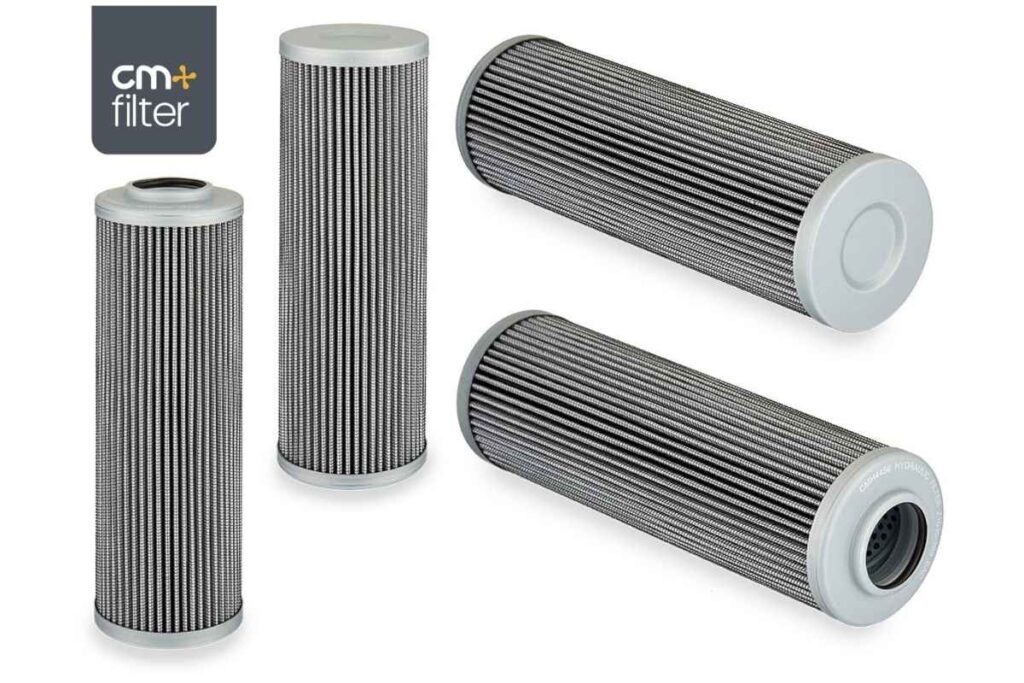
Transmission filters protect the systems responsible for transmitting power within the equipment. Their function is to keep the system’s fluid or oil clean and prevent debris or particles from affecting the transmission’s operation.
This type of filter is especially important in industrial machinery and vehicles where the transmission operates continuously under high loads. Proper filtration helps reduce wear, improve reliability, and protect high-value components.
Cabin filters
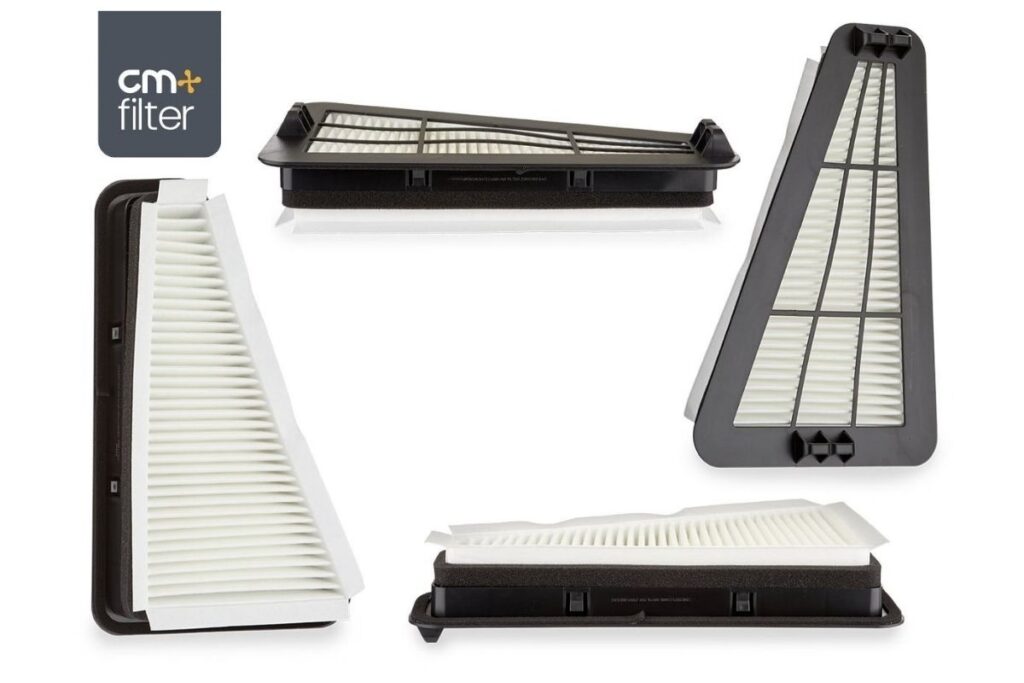
Although they often receive less attention than other filters, cabin filters are also important in industrial machinery and work vehicles with cabins. Their function is to improve indoor air quality by trapping dust, particles, and other pollutants from the environment.
In industries where machinery operates in environments with high levels of dust or dirt, having a cabin filter in good condition significantly improves conditions for the operator and contributes to a cleaner and more comfortable work environment.
How to Choose the Right Filter for Industrial Machinery
Choosing a filter for industrial machinery should not be based solely on size or appearance. To make the right choice, it is important to consider the specific application, the type of system to be protected, the operating conditions, and technical compatibility with the equipment.
A machine operating on the road does not require the same filter as one operating in a quarry, a forest setting, or an industrial facility subject to heavy use. Nor do the requirements of a hydraulic system correspond to those of an engine, a transmission, or a compressed-air circuit .
Therefore, the choice must be made by considering factors such as the type of machinery, the industry, the appropriate model, the quality of the filter media, and the demands of daily operations. The right choice improves equipment protection and helps optimize maintenance.
Choosing the right filtration system protects your equipment and improves its performance
Industrial machinery requires filtration solutions tailored to each system, each application, and each work environment. Knowing the different types of filters and understanding what each one is used for is the first step toward better protecting equipment and preventing problems caused by insufficient or inadequate filtration.
From air, oil, and fuel filters to hydraulic, transmission, braking, and compressed air solutions, each component plays an essential role within the system. Choosing the right filter and prioritizing quality is a key decision for improving reliability, extending the service life of machinery, and reducing maintenance issues.