Skip to content


In any machine or engine, filters play a quiet but absolutely essential role: protecting internal components from particles, dirt, and contaminants that can cause premature wear or serious malfunctions.
Despite their importance, many mechanical problems arise precisely because filters are not replaced at the right time. When a filter loses its effectiveness, it no longer properly traps impurities, and the system begins to operate under much more demanding conditions.
This can result in increased fuel consumption, a loss of performance, or damage to critical engine or hydraulic system components
That is why knowing when to replace the filters in a machine or engine is one of the most important maintenance decisions for ensuring the equipment’s reliability and extending its service life.
In this article, we explain how often the most common filters should be replaced, how to tell when they have lost their effectiveness, and what the consequences of delaying their replacement might be.
Table of Contents
Why It’s Important to Change Filters on Time
Filters serve as the first line of defense in many mechanical systems. Their function is to prevent dust, metal particles, debris, or contaminants from coming into contact with sensitive components.
When a filter is saturated or has reached the end of its service life, this protection is reduced and problems begin to arise, such as:
- Increased engine wear
- Oil or Fuel Contamination
- Clogged fuel injectors
- Hydraulic System Failures
- Power Loss in Machinery
In demanding environments such as agriculture, public works, mining, or industry—where working conditions include dust, vibrations, or humidity—the quality of filtration is even more critical.
A properly selected filter, replaced at the right time, can prevent costly repairs and unexpected machine downtime.
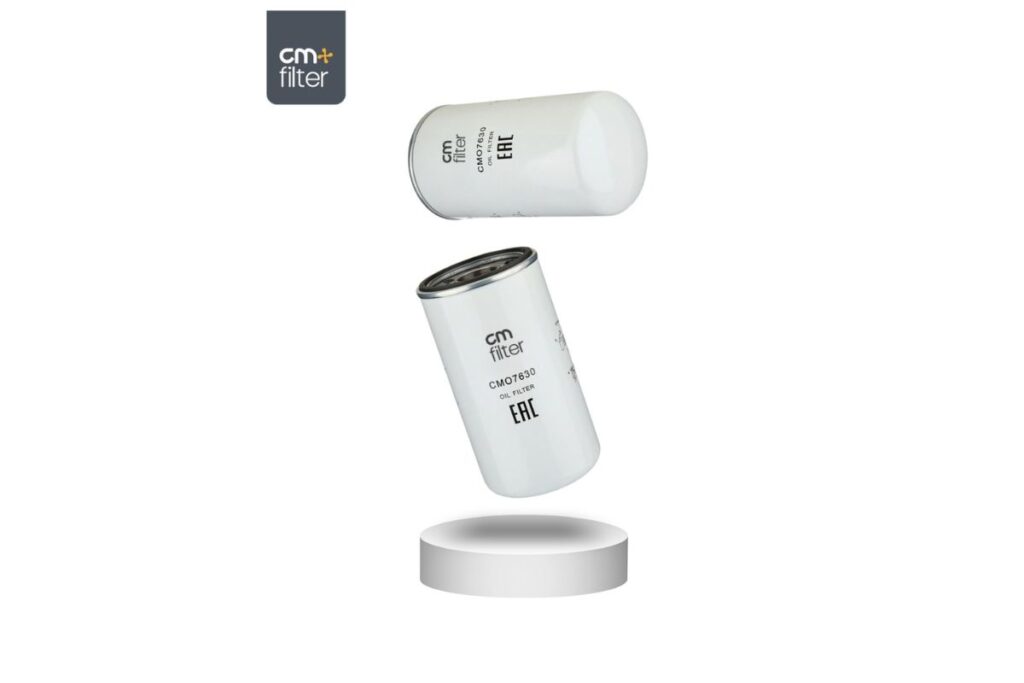
How often should I change the oil filter?
The oil filter is one of the most important components in engine maintenance. Its function is to trap metal particles, combustion byproducts, and other impurities generated during engine operation.
If the filter stops working properly, these particles circulate freely through the lubrication system and can cause accelerated wear on components such as bearings, camshafts, or pistons.
As a general rule, the oil filter should be replaced every time the engine oil is changed or as recommended by the manufacturer.
In professional machinery or heavily used diesel engines, this is typically in the range of:
- 250 and 500 hours of operation, depending on the manufacturer
- Every scheduled engine maintenance
Delaying an oil filter change can cause clean oil to become contaminated quickly, reducing its lubricating ability.
How often should I change the air filter?
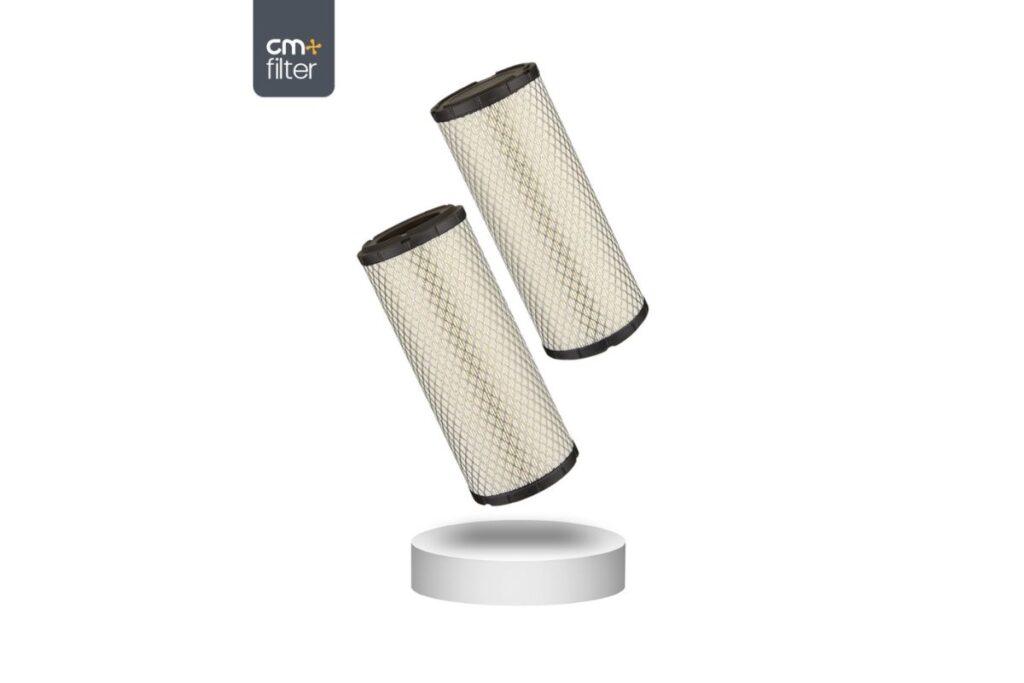
The air filter protects the engine from one of the most corrosive contaminants: dust.
In industries such as agriculture and construction, the air contains a large number of particles that, if they were to enter the engine directly, would cause abrasive wear on cylinders, valves, and turbochargers.
Therefore, the air filter should be checked frequently and replaced when it begins to become clogged.
As a general reference:
- Under normal conditions: every 250–500 hours of operation
- In very dusty environments: much more frequent inspections
A clogged air filter not only reduces engine protection but can also lead to a loss of power and increased fuel consumption, since the engine receives less air than it needs for combustion.
How often should the fuel filter be replaced?
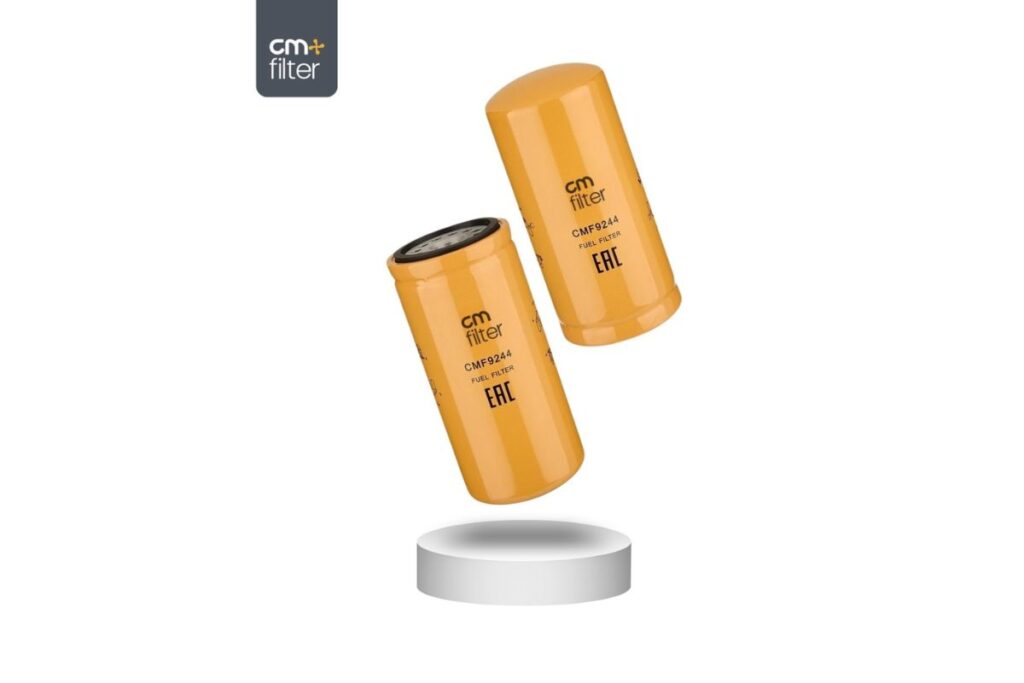
The fuel injection system in modern engines operates with extremely precise tolerances, so even small particles can cause significant malfunctions.
The fuel filter is designed to trap impurities, sediment, and water in the fuel, preventing them from reaching the fuel pumps or injectors.
In most engines and professional machinery, the replacement interval is typically between:
- 500 and 1,000 operating hours
- Or as recommended by the manufacturer
Failure to replace this filter on time may result in:
- Clogged fuel injectors
- Pressure loss in the system
- Startup Failures
- Increased fuel consumption
For machinery that operates many hours a day, fuel system maintenance is especially important to prevent costly breakdowns.
How to Tell When a Filter Needs to Be Replaced
In addition to following the recommended maintenance intervals, there are some signs that may indicate a filter has lost its effectiveness.
Some of the most common symptoms include:
- Loss of engine power
- Higher fuel consumption
- A tougher start
- Notifications or alerts in the maintenance system
- Increase in Differential Pressure in Hydraulic Systems
When any of these signs appear, it is best to check the filtration system and consider replacing the filter before more serious damage occurs.
Common Mistakes in Filter Maintenance
In many cases, mechanical problems are not caused by complex failures, but by basic errors in filter maintenance.
Some of the most common ones are:
- Delaying the filter change beyond the recommended interval.
- Failing to take into account the actual operating conditions of the machinery.
- Ignoring signs of overload or decreased performance.
For equipment that operates for long hours or in demanding environments, proper filter maintenance is one of the most effective ways to reduce breakdowns and extend the service life of the machinery.
The Importance of Using the Right Filters
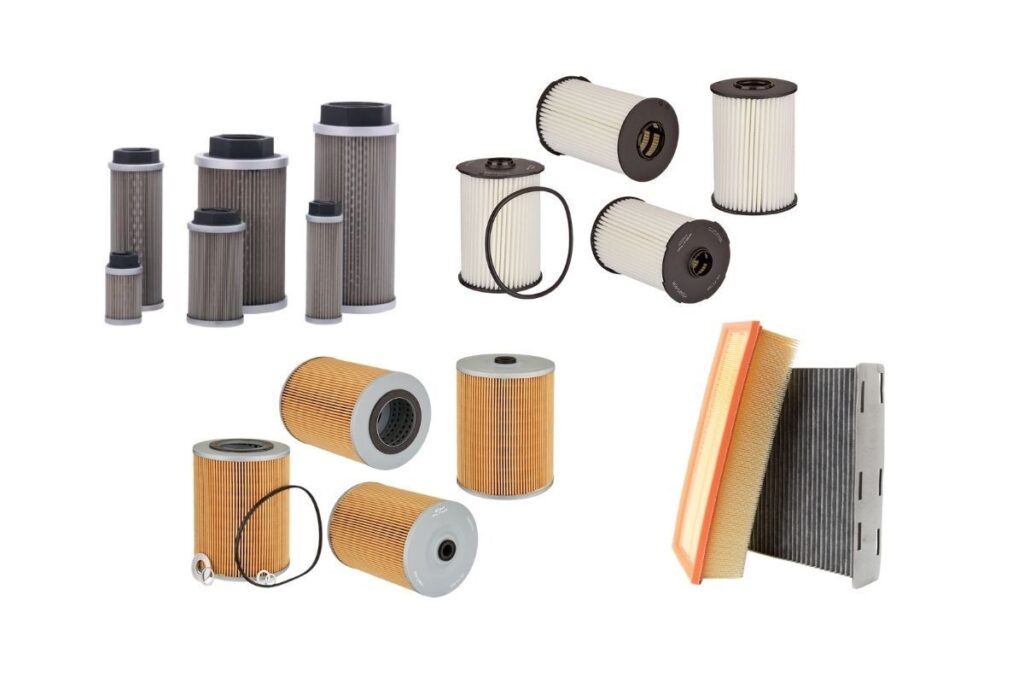
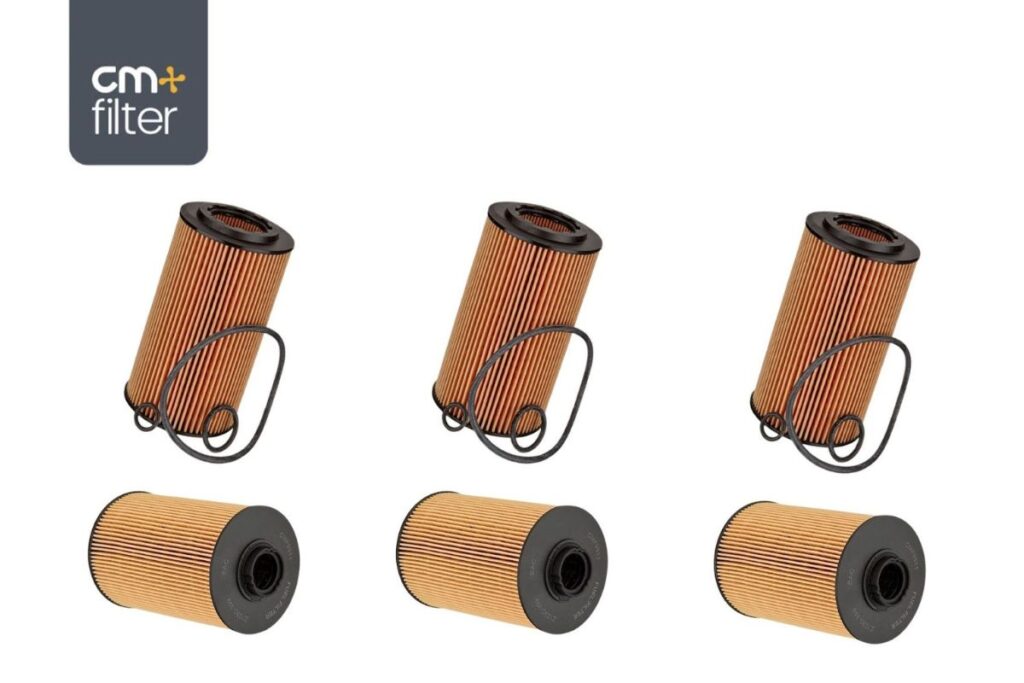
Not all filters offer the same level of protection. Differences can be found in aspects such as:
- The actual particle retention capacity
- The structural strength of the filter
- The system’s internal seal
Using filters that are suited to the type of machinery and working conditions is key to ensuring effective filtration.
In professional machinery, choosing the right filters and adhering to maintenance schedules helps improve engine efficiency, reduce fuel consumption, and minimize the risk of breakdowns.
The Importance of Changing Filters to Protect Machinery
Filters play a crucial role in the operation of any machinery or engine. Although they often go unnoticed, their condition directly affects the performance, efficiency, and durability of the equipment.
Replacing the filters at the recommended intervals not only improves engine performance, but also reduces the risk of breakdowns and prevents unnecessary repair costs.
Proper maintenance of the filtration system is, ultimately, one of the simplest and most cost-effective investments for ensuring the long-term reliability of the machinery.