Skip to content


Choosing a filter seems like a simple task: find the part number, make sure it fits, and install it. However, in professional machinery, this small component makes the difference between reliable equipment and a constant source of problems.
Many serious failures in engines and hydraulic systems are not due to manufacturing defects, but rather to errors in filter selection or maintenance. These are silent errors that are barely noticeable at first… until a breakdown occurs.
In this article, we review the five most common mistakes made when selecting filters and, above all, how to avoid them
Table of Contents
1. Being guided solely by outward appearances
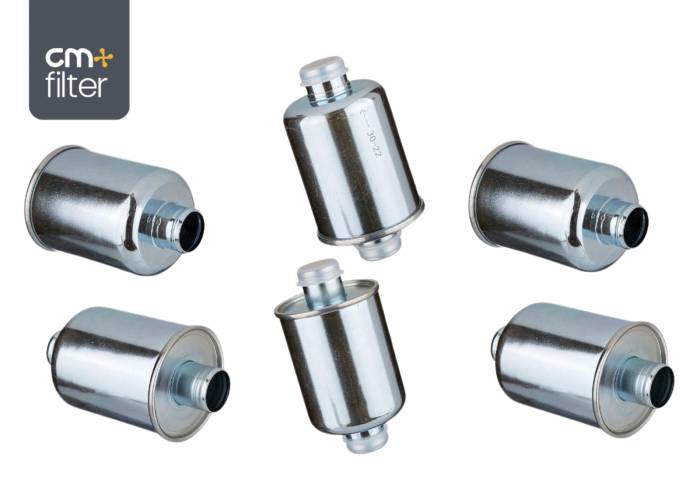
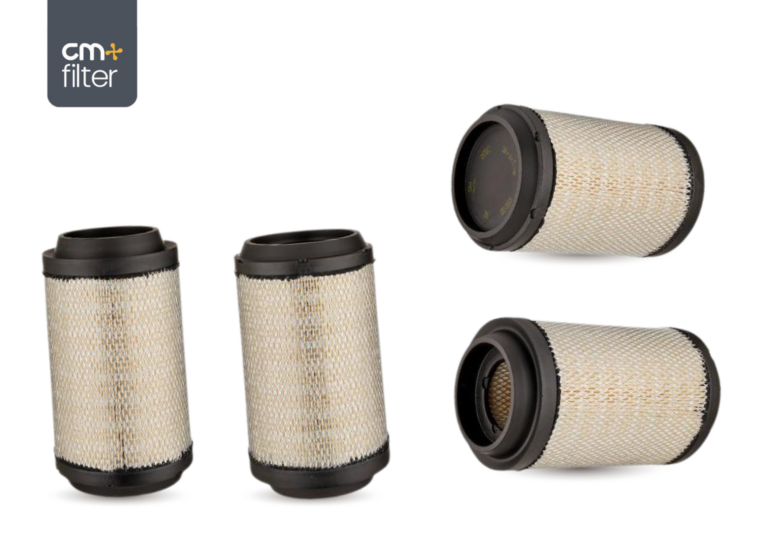
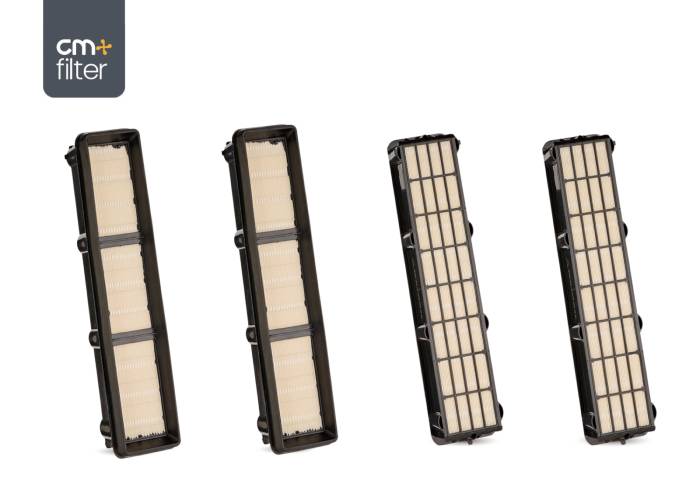
Two filters can be exactly the same size and still behave very differently.
The exterior does not indicate:
- Actual filtration capacity
- Maximum Permissible Flow Rate
- Working pressure
- Mesh size (particle size retained)
Choosing a product simply because it “fits the space” can lead to anything from a loss of performance to internal damage due to insufficient drainage.
To ensure you select the correct filter, it is essential to always review the complete technical specifications, such as working pressure, flow rate, mesh size, and compatibility with the system in which it will be installed. This preliminary analysis helps prevent incorrect installations and ensures that the filter operates efficiently and safely from the very beginning.

2. Not considering how the filter is actually applied
Not all filters are suitable for every application, even though they may appear similar at first glance. Each system in a machine operates under very different conditions, pressures, and levels of contamination.
One mistake, for example, is installing a hydraulic filter where an air or fuel filter should go, or using a model designed for occasional use in a machine that operates 10 or more hours a day in dusty, hot, or humid environments.
In these cases, the filter can become clogged quickly, lose its effectiveness, or even cause flow restrictions that affect the overall operation of the equipment.
Furthermore, even within the same type of filter, there are significant differences depending on its design and purpose. It is not the same to protect:
- The engine, where poor filtration leads to accelerated internal wear.
- The fuel system is extremely sensitive to microscopic particles and water.
- Hydraulic systems, where any contamination can damage pumps and valves.
- The transmission, which operates under heavy loads and requires clean, constant lubrication.
- The intake air—the first line of defense against dust and dirt from the environment.
Each of these systems requires a specific type of filter media, a specific mesh size, and a specific retention capacity.
To avoid mistakes when selecting a filter, it is essential to first determine which system you want to protect and the actual operating conditions of the machine, taking into account factors such as daily operating hours, the environment, and the workload. Only after conducting this analysis should you select the appropriate filter for each specific application. Making the right choice from the start not only ensures better performance but also reduces the risk of premature breakdowns and prevents unnecessary repair costs.

3. Ignoring environmental conditions
The work environment affects both the filter’s service life and that of the machinery itself. Operating in an enclosed workshop is not the same as working every day in a farm field, a quarry, or a coastal area. Some common examples:
- The presence of fine dust in agriculture, earthmoving operations, or quarries, which quickly clogs the filter media.
- Saline environments in marine or near-marine applications, which accelerate the corrosion of metal components and seals.
- Constant humidity, which promotes water condensation in the systems and the degradation of the filter material.
- Extreme temperatures, both high and low, that affect the viscosity of fluids and the performance of the filter.
To avoid mistakes, it is important to select the filter by taking into account not only the machine, but also the actual environment in which it operates and the expected number of hours of use. There are filters made with specific materials, featuring anti-corrosion treatments and reinforced filter media, designed specifically for severe conditions. Choosing the right ones makes a significant difference in reliability, performance, and maintenance costs over the medium term.
4. Not replacing the filter on time
This is probably the most costly mistake: a saturated filter:
- Fuel consumption increases
- Reduces engine performance
- Raise the operating temperature
- It accelerates internal wear and tear
Keeping it in use “just a little longer” usually ends up costing tens or hundreds of times more in repairs than the filter itself.
To ensure optimal system performance, it is essential to follow the replacement intervals recommended by the manufacturer or technical supplier and, furthermore, to replace parts sooner when the machinery is operating under severe conditions. This practice helps maintain filtration efficiency, reduces component wear, and prevents breakdowns that can lead to unplanned downtime and high costs.
What Almost No One Takes Into Account: The Real Cost of a Filter
A filter that isn’t the right fit can result in thousands of euros in repairs.
When hydraulic pumps, injectors, or valves fail, the problem is usually not “bad luck,” but rather poor filtration that has built up over months.
In professional maintenance, the rule is clear: It’s better to replace an inexpensive component in a timely manner than to repair an expensive one prematurely.

The right filter is an investment, not an expense
Choosing the right filter isn’t just a technical matter; it’s an economic and operational decision. Avoiding these mistakes allows you to:
- Reduce breakdowns
- Maintaining Machinery Performance
- Reduce consumption
- Extending the Service Life of Engines and Hydraulic Systems
- Work more safely and with greater foresight
The next time you need to replace a filter, don’t just think about whether it “fits.” Think about everything it’s protecting.
The difference lies in the technical advice
Choosing the right filter should not be based on intuition or a rough estimate, but rather on a thorough technical analysis of the machine. As you have seen, even a small mistake in this decision can result in performance losses, unplanned downtime, and very high repair costs.
At Filtros Castelló, we’ve been advising professionals in industry, agriculture, and public works for years to ensure that every machine operates with the filtration it truly needs. If you have questions about which filter to use, are looking for a suitable replacement, or want to optimize the maintenance of your equipment, check out our engine filtration and hydraulic filtration, or contact our team to find the best option for you.