 Skip to content


PERSONALIZED CARE
Filtration that ensures reliable air brakes
The pneumatic braking systems used in trucks, buses, agricultural machinery, and public works equipment rely on a constant supply of clean, dry compressed air. The presence of moisture, oil, or particles in the system can cause internal corrosion, freezing at low temperatures, and failures in valves or reservoirs, compromising operational safety.
A brake filter in pneumatic systems does not act on hydraulic fluid, but rather on the compressed air that powers the system. Therefore, the correct combination of air dryers, oil and particle separators, and valve-specific filters is essential for maintaining stable pressure and system performance.
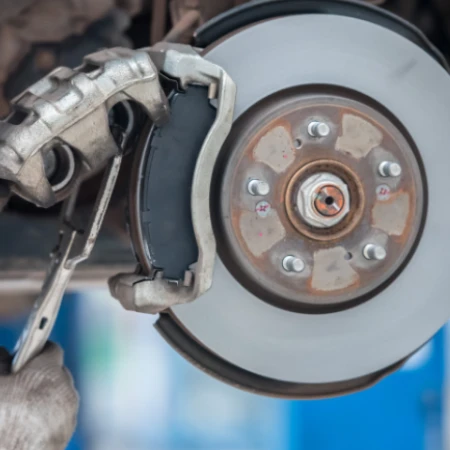
Why is proper filtration in the braking system so important?
Prevent critical failures caused by condensation, contamination, or pressure loss in the pneumatic system.
It keeps the braking system operational for longer, reducing unexpected stops.
It reduces wear on valves, tanks, and pipes, extending the system's service life.
It prevents serious breakdowns and allows for more efficient replacement schedules.
IN WHICH SECTORS DO WE WORK?
Find the right filter for each piece of equipment
Browse our solutions by system, machinery, or application. Easily find the filter you need from our selection of more than 20,000 active product listings.
- Engine, Hydraulics, and Transmission
- By sector or application
- Original and Alternative Filters
- Engine, Hydraulics, and Transmission
- By sector or application
- Original and Alternative Filters
KEY COMPONENTS
Filtration components for pneumatic braking systems
The effectiveness of a pneumatic braking system depends directly on the quality of the compressed air flowing through the circuit. Industrial brake filters remove moisture, oil, and solid particles that can compromise the system’s pressure, stability, and safety.
Brake Air Dryers
Air dryers for pneumatic brakes remove water vapor from the compressed air before it enters the system. Accumulated moisture can cause internal corrosion, freeze-ups, and a loss of braking efficiency.
- Dryers with Desiccant Granules
- Standard Drying Systems
- Models for Trucks and Buses
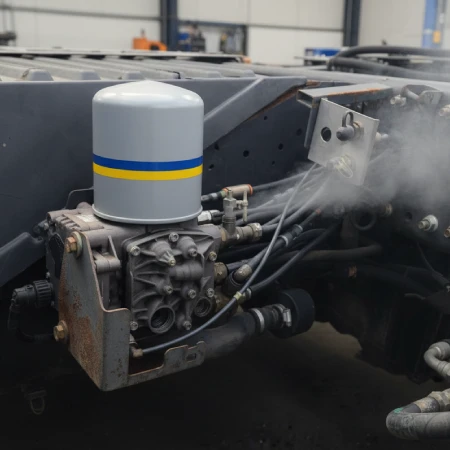
Separation of Oil and Particles
The presence of oil from the compressor and solid particles can affect valves and reservoirs. Coalescing filters for pneumatic brakes trap fine impurities and oil microdroplets, ensuring clean compressed air.
- Standard coalescing filters
- High-Efficiency Systems
- Combination models with drying function
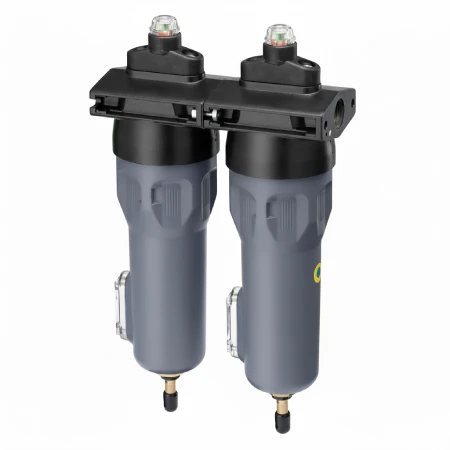
Filters for Valves and Tanks
Brake filters for valves and air tanks protect the most sensitive components of the pneumatic system. They act as a barrier against contaminants that can cause leaks, corrosion, or pressure control failures.
- Filters for air tanks
- Protection of Pneumatic Valves
- Anti-corrosion systems
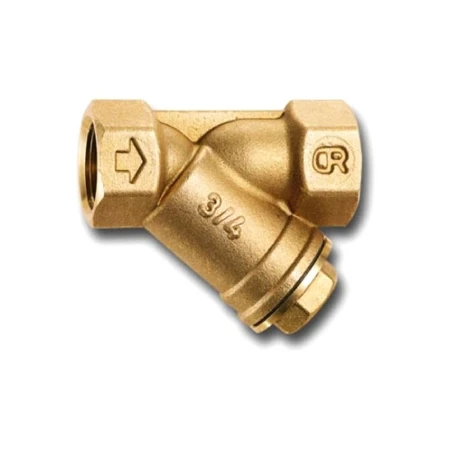
Solutions for Low Temperatures
In cold weather, condensation can freeze and block the circuit. Low-temperature brake filters and dryers are designed to prevent this risk and ensure continuous operation.
- Antifreeze Filters
- Heavy-Duty Dehumidifiers for Cold Climates
- Mountain or Snow Systems

Air Brake Maintenance Kits
Preventive maintenance is essential for maintaining system safety. Brake filter maintenance kits make it easy to replace critical components on a regular basis, thereby reducing downtime.
- Hair Dryer Replacement Kits
- Replacement coalescing filters
- Long-lasting systems
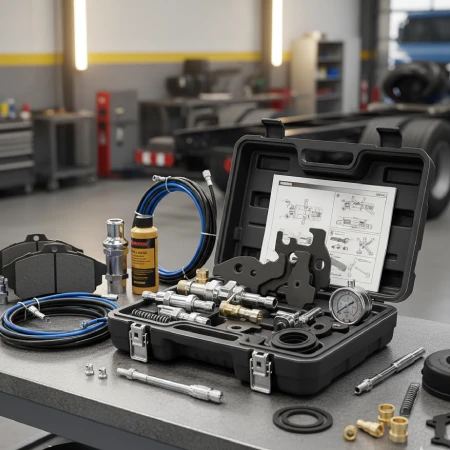
BRAKE FILTERS
Brake filter for industrial pneumatic systems
A brake filter in industrial pneumatic systems is the set of components responsible for ensuring that the compressed air supplying the brake circuit is clean, dry, and free of contaminants.
Unlike conventional hydraulic systems, in pneumatic braking, performance depends directly on the quality of the air circulating through valves, reservoirs, and lines.
The presence of moisture, oil from the compressor, or solid particles can cause internal corrosion, pressure loss, and brake activation failures.
For this reason, the industrial brake filters incorporate solutions such as air dryers, coalescing filters, and valve protection systems, ensuring stable operation in trucks, buses, heavy machinery, and industrial equipment.
Proper filtration not only improves the system’s efficiency, but also extends the service life of its components and reduces the risk of unplanned downtime.
IN WHICH SECTORS DO WE WORK?
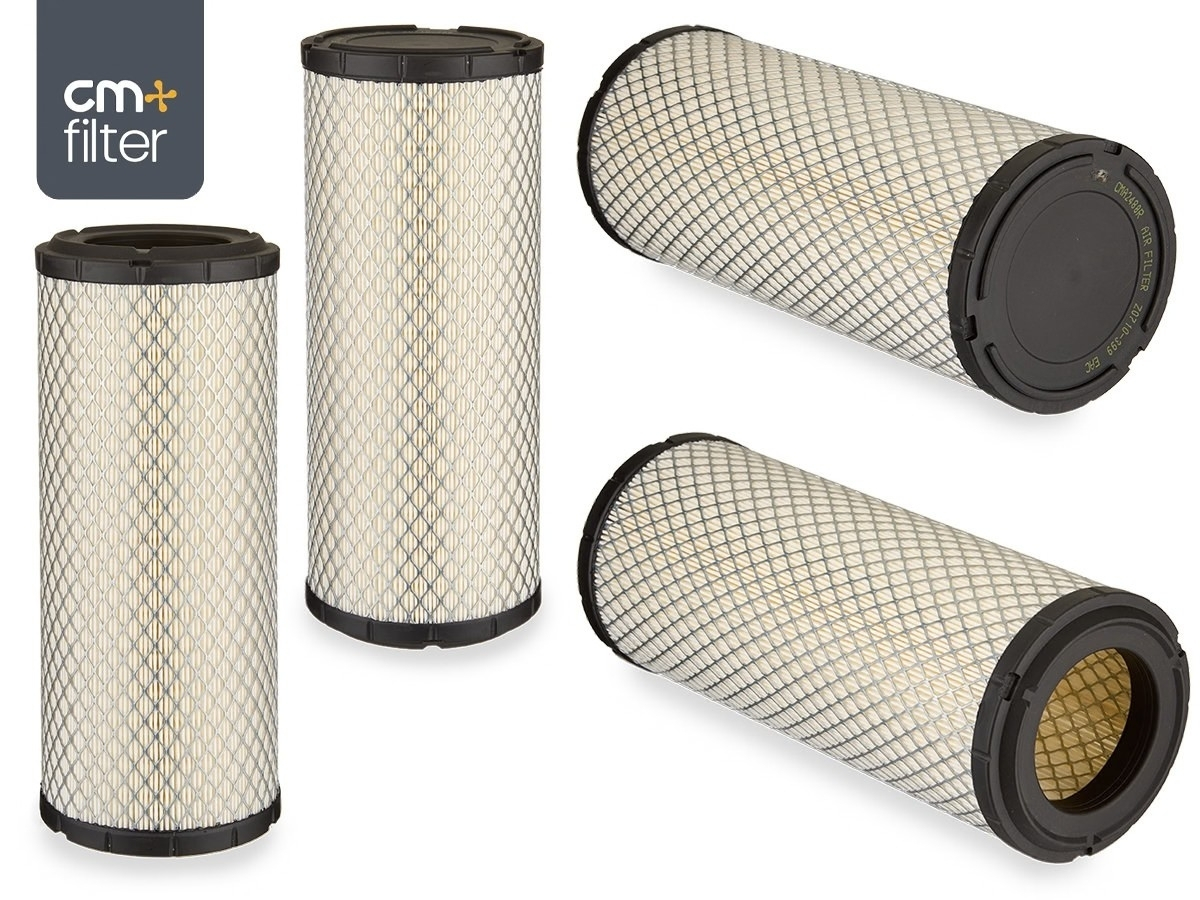
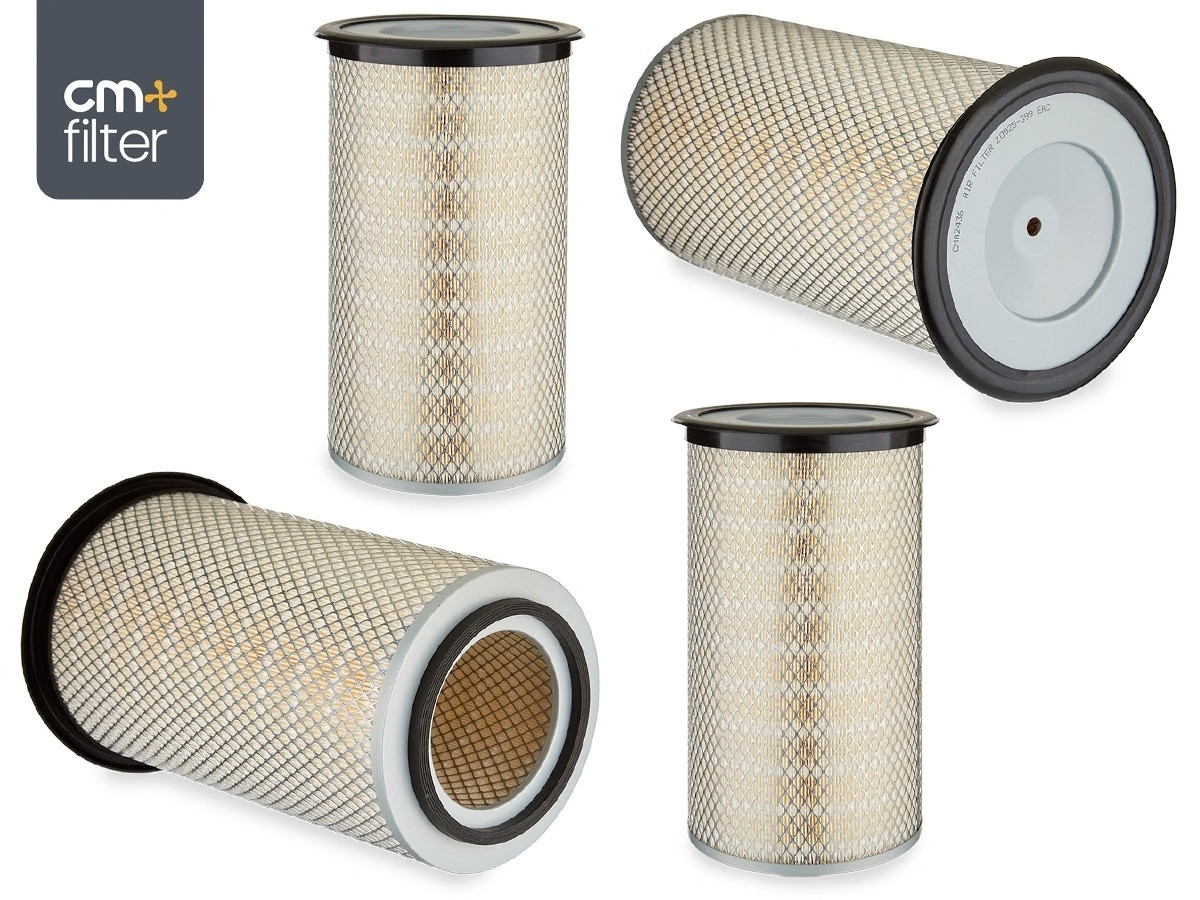
The Importance of Brake Filters for Safety
Safety in a pneumatic braking system depends largely on the quality of its filtration. Brake filters play a critical role in removing contaminants that could compromise the system’s responsiveness in demanding situations.
The accumulation of water can cause freezing at low temperatures, while oil and particles can affect the sealing and precision of the valves. These factors directly influence pressure stability and, therefore, braking effectiveness.
IN WHICH SECTORS DO WE WORK?
Filtration tailored to each industry
Experienced individuals who are committed to and passionate about technical service, providing personalized attention and product knowledge with every order.
Public Works
Heavy machinery in construction settings.
Mines and Quarries
Rugged equipment in extreme conditions.
Agriculture
Tractors and agricultural machinery.
Forestry
Forestry equipment in areas with dense vegetation.
Green Spaces and Roads
Urban and light road maintenance.
Marina
Filtration for engines in saline environments.
Lifting and Handling
Loading and aerial work equipment.
Road Vehicles
Fleets, trucks, and commercial transportation.
Airport facilities
Service vehicles during runway operations.
Ski Areas
Specialized snow and mountain equipment.
FREQUENTLY ASKED QUESTIONS
Frequently Asked Questions About Brake Filtration
What is a brake filter in a pneumatic system?
A brake filter in a pneumatic system is the set of filtration components that ensure the compressed air supplying the brake circuit is clean and dry. In these systems, the brakes operate using air pressure, so any contaminants—moisture, oil, or solid particles—can affect their performance.
Unlike conventional hydraulic systems, no brake fluid leaks here, but rather compressed air. For this reason, the system incorporates dryers, coalescing filters, and protective components that maintain the stability and safety of the circuit.
Why is filtration important in air brakes?
Filtration is key because compressed air may contain water vapor, oil residue from the compressor, and environmental particles. If these contaminants enter the pneumatic braking system, they can cause:
- Internal corrosion in valves and tanks
- Freezing in Cold Climates
- Pressure loss
- Brake Response Failures
A proper brake filter protects critical components and ensures stable and safe braking, especially in heavy-duty transport and industrial machinery.
What components make up the brake filtration system?
A complete filtration system for air brakes typically includes:
- Air dryers, which remove moisture
- Coalescing filters, which trap oil and fine particles
- Filters for valves and tanks that protect the most sensitive parts
- Solutions Specifically Designed for Low Temperatures
- Maintenance and Replacement Kits
These components work together to ensure a clean and stable supply of compressed air within the system.
How often should air brake filters be replaced?
The frequency of replacement depends on factors such as:
- Equipment Operating Hours
- Environmental conditions (humidity, dust, extreme cold)
- Type of industrial application
In demanding environments, maintenance intervals may need to be shortened to prevent the buildup of contaminants. A preventive maintenance plan is essential to ensure the proper operation of the air brake system.
What happens if the air brake system isn't properly filtered?
Without proper filtration, the system may experience:
- Blockages Caused by Condensation or Ice
- Premature valve wear
- Corrosion in Tanks and Pipes
- Reduced Braking Efficiency
In industrial machinery or heavy-duty transportation, these failures not only result in repair costs but can also compromise operational safety.
How do I choose the right brake filter?
To select the correct brake filter for an industrial pneumatic system, it is important to consider:
- Working Pressure and Flow Rate
- Required filtration level (microns)
- Compatibility with the existing system
- Environmental Conditions for Use
- Scheduled Maintenance Intervals
Specialized technical advice ensures that the filtration solution is properly tailored to the equipment and optimizes its long-term performance.
Submit your inquiry
Are you looking for a customized solution?
Request a no-obligation quote
