 Skip to content


PERSONALIZED CARE
Fuel Filtration Solutions
All internal combustion engine, whether diesel or gasoline, relies on a efficient fuel filter to protect the most sensitive components of the fuel system, such as injectors, high-pressure pumps, and common-rail systems.
The presence of water, solid particles, or debris in the fuel can cause blockages, internal corrosion, and a loss of performance. Therefore, proper fuel filtration is key to ensuring engine reliability and extending its service life.
In industrial settings and heavy machinery, where injection systems operate with minimal tolerances and high pressures, having a fuel filter designed for professional use makes all the difference in terms of reliability and operating costs.
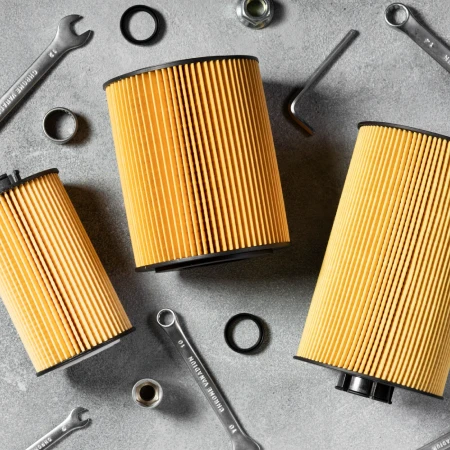
Why is proper fuel filtration so important?
Prevents clogs and damage to critical engine injectors and pumps.
Prevents corrosion and clogs caused by condensation in diesel and gasoline systems.
It maintains fuel quality, optimizing stability and power.
It prevents costly breakdowns and extends the service life of components.
WHAT INDUSTRIES DO WE WORK IN?
Find the right filter for each piece of equipment
Browse our solutions by system, machinery, or application. Easily find the filter you need from our selection of more than 20,000 active part numbers.
- Engine, Hydraulics, and Transmission
- By sector or application
- Original and Alternative Filters
- Engine, Hydraulics, and Transmission
- By sector or application
- Original and Alternative Filters
KEY COMPONENTS
Fuel System Filtration Components
An efficient fuel system requires a comprehensive fuel filtration solution capable of removing solid particles, water, and microscopic contaminants that can affect engine performance.
Industrial fuel filters are designed to operate under demanding conditions, ensuring protection for high-pressure diesel engines, heavy machinery, and professional applications where reliability is a top priority.
Fuel Filters for Fuel Injection Systems
They trap fine particles that damage injectors and pumps, ensuring precision in the fuel delivery system.
- High-pressure filters
- Common rail filters
- Filters for Sensitive Injectors
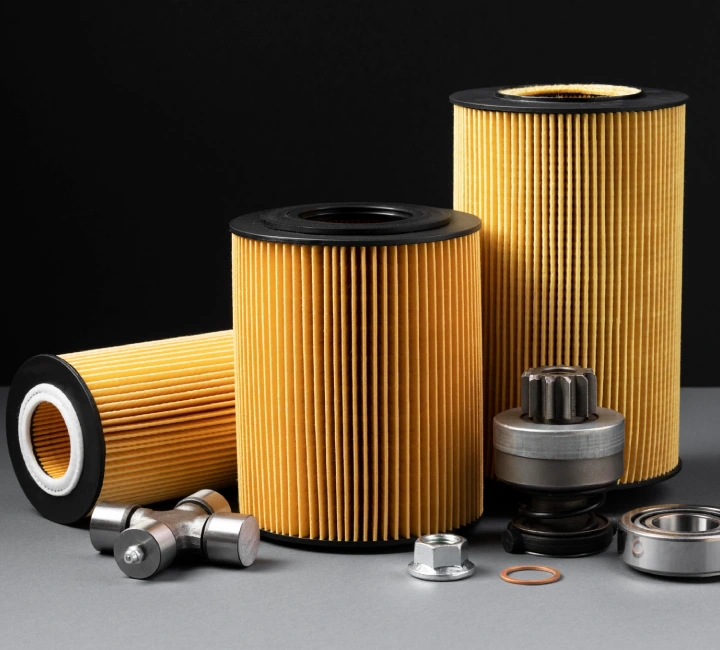
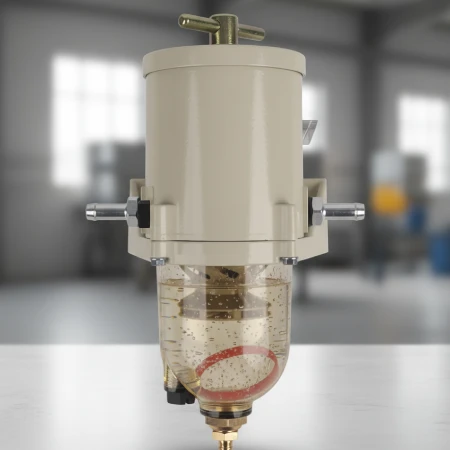
Fuel filters with water separators
They effectively eliminate condensation in the tank and prevent internal corrosion.
- Standard Separators
- High-Capacity Separators
- Systems with manual or automatic drainage
Stable engine performance with optimized filtration
Designed for high-pressure injection systems, where tolerance for contaminants is minimal.
- Microfiltration filters
- Fine-precision filters
- Compatible with Euro 6 and Tier 4 engines

Performance and Reliability
They maintain stable combustion, preventing power loss and improving fuel efficiency.
- Long-lasting filters
- Flow-Optimized Systems
- Heavy-Duty Filters

Fuel Filters for Industrial Machinery and Equipment
A wide range of filters for different types of engines and operating environments.
- Diesel engines
- Gasoline Engines
- Heavy and Industrial Equipment
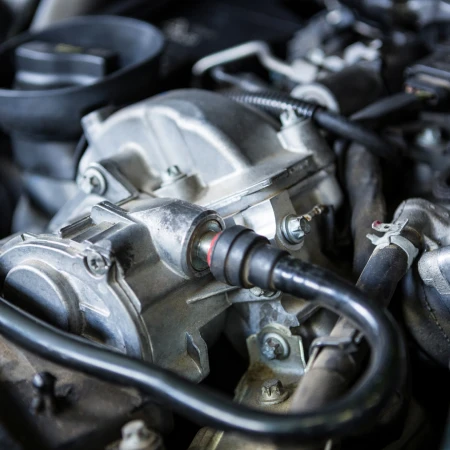
FUEL FILTERS
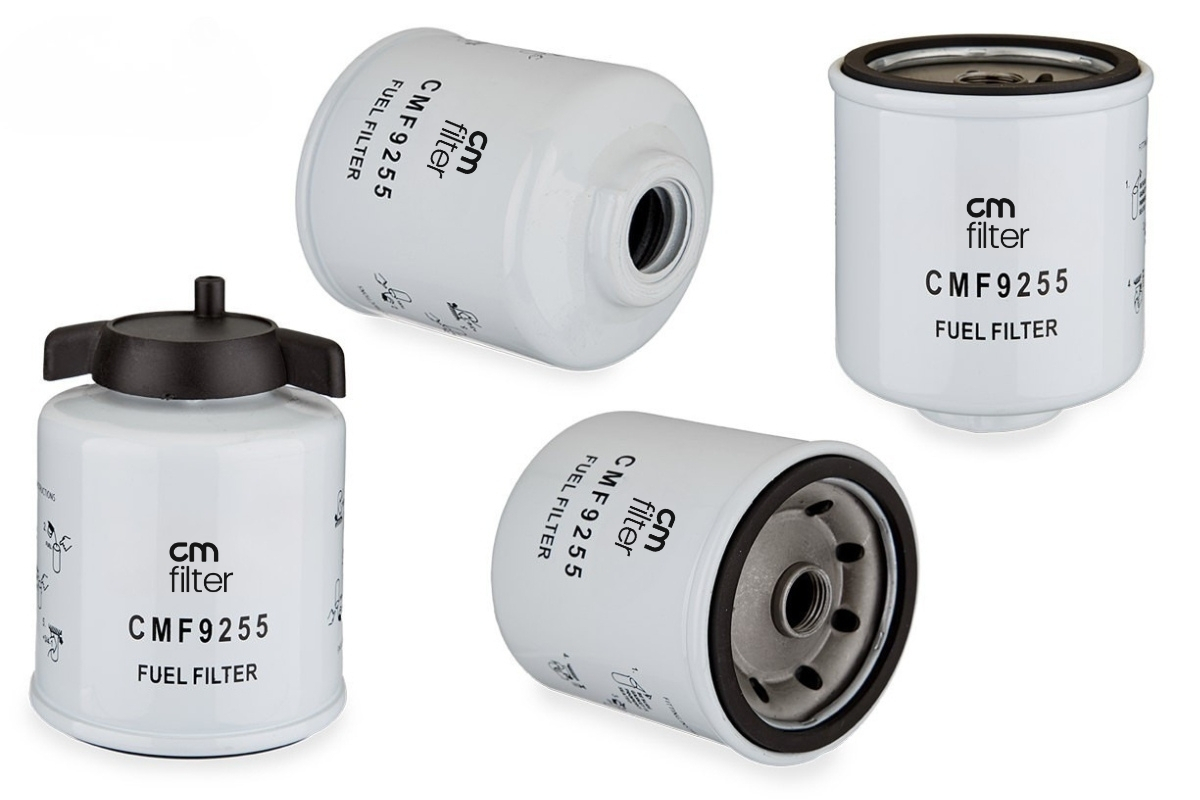
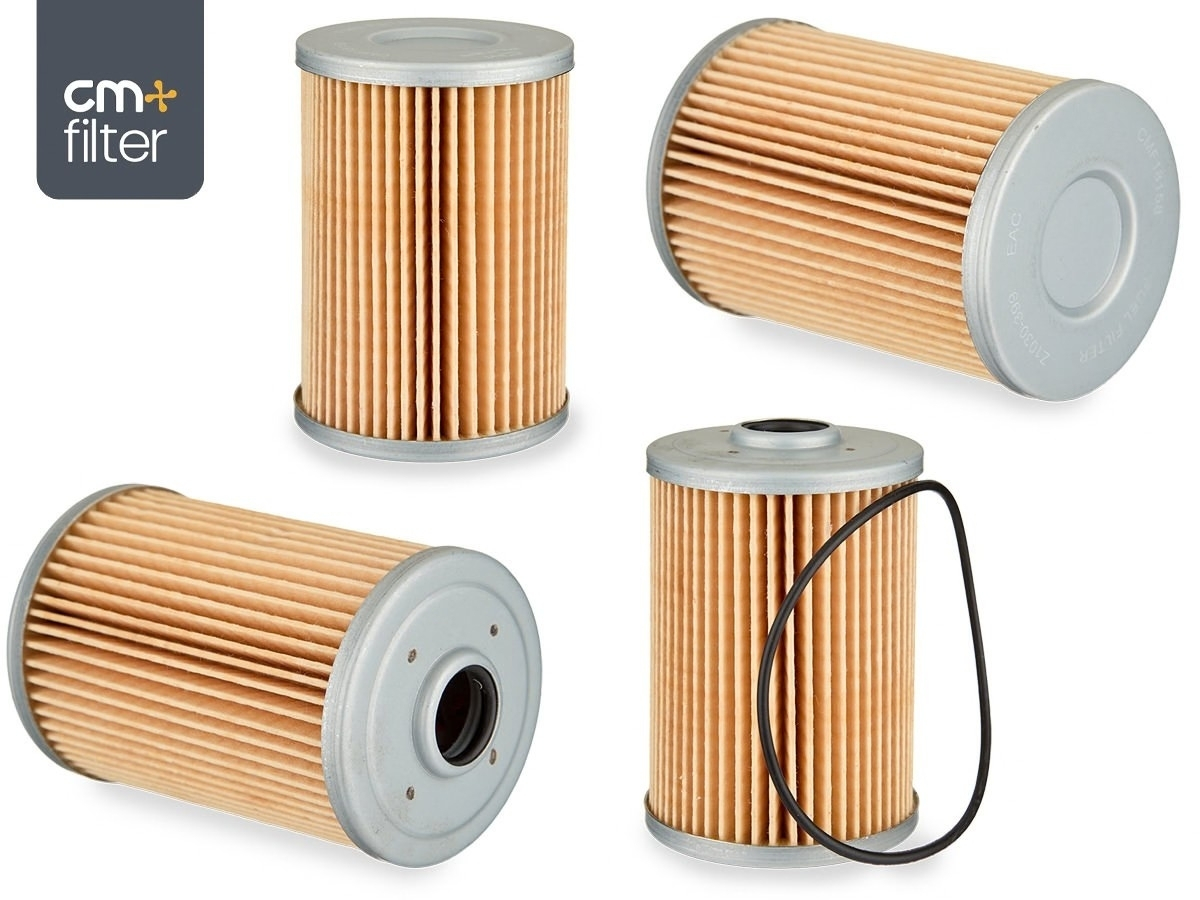
Fuel filter for industrial machinery and engines
In heavy machinery and industrial engines, the fuel filter plays a vital role in protecting the fuel system. Unlike in light-duty applications, these engines operate for long periods, under heavy loads, and in environments where fuel may be exposed to contamination, moisture, or solid particles.
The fuel filters for industrial machinery are designed to offer greater filtration capacity, structural strength, and flow stability. In high-pressure , such as those equipped with common-rail systems, even microscopic particles can cause premature wear on injectors and pumps.
FUEL FILTERS
The Importance of a Good Fuel Filter
The safety of an industrial motor depends not only on its mechanical design, but also on the quality of the fuel flowing through the system. An efficient fuel filter prevents water, sediment, or impurities from damaging critical components of the fuel injection system.
When fuel is not filtered properly, the following may occur:
- Spraying Problems
- Power loss
- Increase in consumption
- Premature wear of fuel injectors
- High-Pressure Pump Failures
In modern diesel engines, especially those with common-rail technology, the tolerance for contaminants is extremely low. These systems operate at very high pressures, so any particles or the presence of water can compromise the engine’s safety and performance.
WHAT INDUSTRIES DO WE WORK IN?
Filtration tailored to each industry
Experienced professionals who are committed to and passionate about technical service, providing personalized attention and product knowledge with every order.
Public Works
Heavy machinery in construction settings.
Mines and Quarries
Rugged equipment in extreme conditions.
Agriculture
Tractors and machinery for agricultural work.
Forestry
Forestry equipment in areas with dense vegetation.
Green spaces and roads
Urban and light road maintenance.
Marina
Filtration for engines in saline environments.
Lifting and Handling
Loading and aerial work equipment.
Road Vehicles
Fleets, trucks, and commercial transportation.
Airport facilities
Service vehicles during runway operations.
Ski Areas
Specialized snow and mountain equipment.
FREQUENTLY ASKED QUESTIONS
Frequently Asked Questions About Fuel Filters
What is a fuel filter, and what is its function?
The fuel filter is the component responsible for removing solid particles, sediment, and water from the fuel before it reaches the fuel injection system. Its main function is to protect fuel injectors, high-pressure pumps, and fuel lines, ensuring efficient combustion and preventing premature engine damage.
How often should the fuel filter be replaced in diesel engines?
The replacement frequency depends on the type of engine and operating conditions. In industrial applications and commercial diesel engines, the interval may vary depending on operating hours, fuel quality, and the operating environment.
In high-pressure systems (such as common rail), adhering to the recommended intervals is key to preventing injector and pump failures.
How can you tell if the fuel filter is clogged?
Some common symptoms of a clogged fuel filter include:
- Power loss
- Difficulty starting up
- Acceleration Problems
- Irregular consumption
- Jerking or erratic operation
In industrial machinery, a loss of performance under load can also be observed.
What is the difference between a diesel fuel filter and a gasoline fuel filter?
Diesel engines, especially industrial and high-pressure engines, require more stringent filtration standards due to their tighter tolerances.
A diesel fuel filter typically incorporates microfiltration and water separation systems, which are particularly critical in heavy machinery.
What happens if the fuel filter isn't changed on time?
Failure to replace the fuel filter can result in:
- Premature wear of the high-pressure pump
- Damage to fuel injectors
- Increase in consumption
- Higher particulate emissions
- Unexpected Stops
In industrial motors, this can result in high repair costs and downtime.
What is a common rail system?
Common rail is a diesel injection system in which fuel is stored in a high-pressure common rail and electronically distributed to the injectors.
It operates with minimal tolerances and under very high pressure, so it requires a high-efficiency fuel filter capable of removing microscopic particles and water to prevent damage to components.
What happens if there's water in the fuel?
The presence of water can cause internal corrosion, component oxidation, and combustion problems. Fuel filters with water separators remove accumulated moisture, protecting the fuel injection system and improving engine reliability.
Submit your inquiry
Are you looking for a customized solution?
Request a no-obligation quote
