Skip to content


The oil filter is one of the most important components of the engine’s lubrication system. Its function is simple but critical: to trap impurities, metal particles, combustion byproducts, and any contaminants that might mix with the oil, ensuring clean and effective lubrication.
A dirty filter shortens the oil’s service life and can lead to premature wear, costly breakdowns, and even the dreaded seized engine. For these reasons, it is recommended that you replace it with every oil change.
Table of Contents
What is an oil filter, and how does it work?
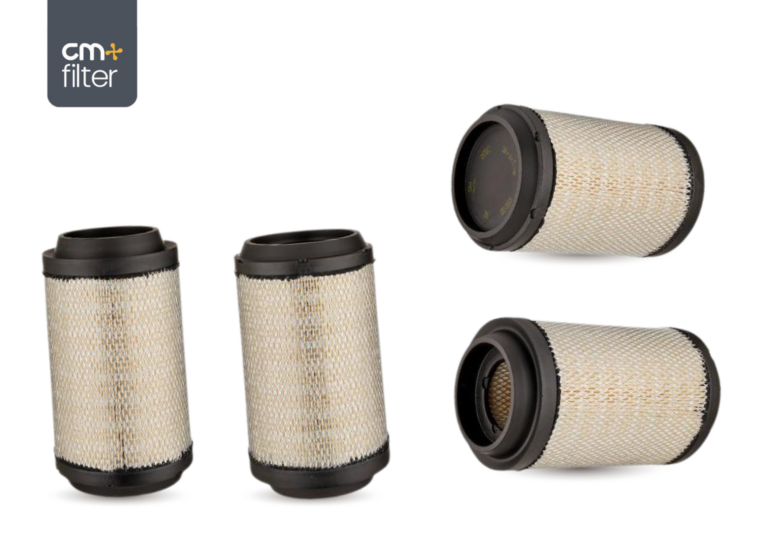
The oil filter consists of a housing (metal or plastic) that contains a filter medium, typically arranged in an accordion-like pattern to increase the filtration surface area. This filter element can be made of cellulose, synthetic fibers, or advanced microfibers, depending on the type of filter and the level of filtration required.
Operating Process
- Oil is drawn from the oil pan by the oil pump.
- Before reaching the lubrication circuit, it passes through the filter.
- The filter media traps solid particles, metal debris, soot, dust, and combustion byproducts.
- The clean oil continues its journey to the critical parts of the engine: pistons, crankshaft, camshaft, turbocharger (if equipped), bearings, etc.
As the filter operates continuously, it becomes saturated. When the filter media can no longer retain any more particles, the oil pressure increases and the internal bypass valve may open to allow unfiltered oil to pass through. Although this prevents immediate damage due to lack of lubrication, it also allows unfiltered oil to circulate, increasing the risk of internal wear. Therefore, replacing the filter at the appropriate intervals is an essential part of engine maintenance.

Types of Engine Oil Filters
There are several types of filters, depending on their construction, filter material, or the system they use to remove impurities. Each category has its own characteristics that you should be aware of in order to choose the right replacement filter.
1. Types of Filters Based on Their Construction
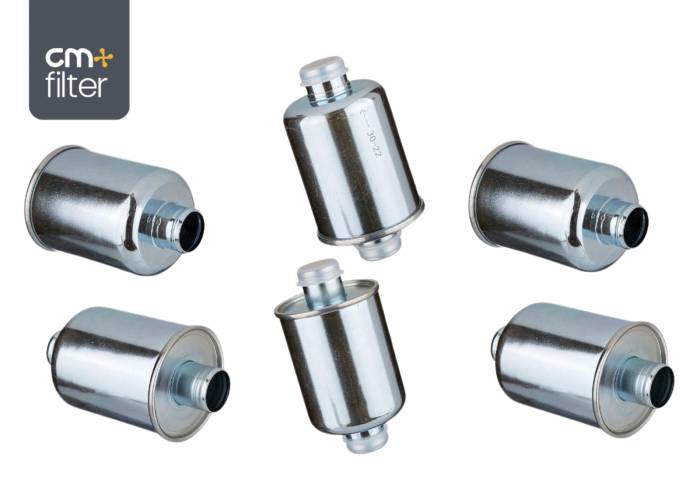
Sealed oil filters
They are the most common in modern vehicles. They include:
- Protective metal housing
- Anti-drain valve to keep oil inside when the engine is turned off
- Built-in thread for easy installation
The anti-drain valve prevents the circuit from becoming completely empty and reduces wear caused by cold starts.
This type of filter is completely replaced during each maintenance service.
Cartridge Filters
They do not have an external metal casing:
- The motor includes the housing and the anti-drain valve
- Only the filter media is replaced
- They are more environmentally friendly and reduce waste
They are becoming increasingly common, especially in vehicles subject to strict emissions regulations.
2. Types of Filters Based on Filter Media
Cellulose membrane
This is the most traditional system.
Advantages:
- Economical
- Suitable for normal vehicle use
- Recyclable
It filters out about 40% of the particles in the oil and provides adequate performance for standard engines.
Synthetic membrane
Made from higher-density synthetic fibers.
Features:
- Finer pores
- Filtration rate of approximately 50%
- Greater resistance to collapse
- Longer service life
It is a suitable option for engines that require more precise lubrication or operate under demanding driving conditions.
Microcrystal membrane
It is the most advanced filter material.
Advantages:
- Filtration capacity up to ten times greater than that of cellulose
- High efficiency with extremely fine particles
- Greater thermal stability
It is used in high-end vehicles or engines subjected to high thermal and mechanical stress.
3. Types of Filters Based on Their Filtration System
Mechanical filter
The most common type in passenger cars. The membrane traps impurities through direct physical filtration. When it becomes clogged, the flow rate decreases and the internal pressure increases.
Magnetic filter
It includes a magnet that traps metal particles. It is an excellent choice for engines with wear or for older vehicles, as it captures metal filings and small ferrous particles.
High-efficiency filter
It uses microcrystalline or advanced synthetic membranes. It traps very small particles and is designed for high-performance engines or modern turbochargers.
Sedimentation filter
It works by gravity. The particles settle at the bottom of the filter, separating from the oil. It is used primarily in industrial machinery and large engines.
Filters with a thermal camera
They raise the internal temperature to remove organic waste. They consume more energy and are rarely found in passenger cars.
Centrifugal filter
It separates particles using internal centrifugal force. It is often found in industrial engines, heavy-duty vehicles, and agricultural machinery.

Why Is the Engine Oil Filter So Important?
The oil filter acts as a protective barrier between contaminated oil and critical engine components. Its role is essential for several reasons:
- Protects the engine from premature wear
- Maintains the correct pressure in the oil circuit
- Prevent internal blockages
- Ensures constant and efficient lubrication
- Prevents serious failures caused by a lack of lubrication
- Reduces the risk of overheating
- Extends the life of the oil and the engine
A clogged filter can cause a drastic drop in performance, increased fuel consumption, and, in extreme cases, irreversible damage.
How often should the oil filter be changed?
The general recommendation is to replace the filter with every oil change. However, the exact interval depends on:
- Engine Type
- Type of oil
- Driving Style
- Conditions of use (city driving, frequent starts, high temperatures)
- Manufacturer’s Recommendations
In most vehicles, the interval ranges from 10,000 to 15,000 km, although many drivers choose to change it sooner to keep the engine in the best possible condition.
Since the filter is inexpensive, delaying its replacement is not worth the risk of internal wear.
How to Choose the Right Filter
Selecting the wrong filter can prevent proper lubrication or cause leakage problems.
It is essential to check:
- Vehicle model and year
- Engine type (gasoline, diesel, turbocharged)
- Compatible manufacturer part number
- Filtration capacity
- Thread size and type
- Bypass valve opening pressure
Manufacturers often provide compatibility charts or search tools to help prevent errors.
The Role of the Oil Filter in Engine Lubrication
The oil filter is an essential component for ensuring the health and performance of the engine. Its ability to trap impurities, metal particles, and combustion byproducts makes filtration one of the cornerstones of the lubrication system.
Proper maintenance, including regular filter and oil changes, ensures that the engine operates with cleaner, more stable, and more efficient lubrication, reducing internal wear and preventing breakdowns that can be costly.
Choosing a high-quality filter, replacing it at the recommended intervals, and addressing any signs of clogging is the best way to ensure a long engine life and maintain optimal performance under all driving conditions.